What “Grand” and “Random” Jackpot Labels Can—and Can’t—Tell You
Words such as “grand” and “random” can make a jackpot-pokies listing sound more informative than it is. They may signal how a game or prize is being presented, but a label alone does not explain the rules behind it. It cannot tell you what triggers a payout, whether a prize is shared, how its value changes, or what conditions apply to a win.
That distinction matters when you see a game described as having a grand jackpot or a random jackpot. The wording is not a substitute for the game’s rules. Without those rules, you cannot safely infer how the jackpot operates from its name, its position in a menu, or the way it is promoted. Two games using the same label need not work alike.
“Grand” can sound like a promise of a particular prize structure, while “random” can suggest that a payout may happen without a visible trigger. Neither impression is enough to establish the mechanics. The label does not confirm whether the jackpot is fixed or variable, how it is funded, what makes it payable, or whether every eligible play has the same conditions. Those details must come from clear game information, not assumptions attached to a familiar word.
The same caution applies to descriptions of a grand-jackpot win. Promotional language may draw attention to a large prize, but it does not by itself show what a player had to do to qualify or how the game selected the winner. A result someone else has achieved also cannot establish what will happen in your session. Treat claims about a jackpot as descriptions to check against the rules, rather than as a guide to expected results.
If you are trying to work out how to win a grand jackpot on pokies, separate two questions. One is what the game’s rules say about eligibility and any jackpot feature. The other is whether you can predict or control the result. A label does not answer either question. Do not assume that a particular bet, playing pattern, or repeated attempt is a method for triggering a prize unless the game’s own rules clearly say so. A name is not a strategy.
Online Craps Casinos in Australia: What to Check
Compare game formats, rules, bonus terms and payment checks, with the offshore-casino context for Australian…
This is not a reason to read every label as misleading. It is a reason to keep its meaning within its limits. A title may identify a feature or help distinguish one game from another, but it cannot verify the feature’s operation by itself. Look for rules that explain the relevant terms, how the feature is entered, and what happens when it pays. If those explanations are absent or unclear, you have no sound basis for filling in the gaps with a guess.
Keep bonus conditions separate from jackpot rules as well. Wagering requirements concern the turnover attached to a bonus: they specify how much betting must be completed against the bonus before winnings linked to it can be withdrawn. That is a condition on access to bonus-related winnings, not an explanation of how a jackpot is triggered or paid. Seeing a wagering requirement does not tell you whether a jackpot is random, what “grand” means in that game, or how likely a jackpot result is.
This separation can prevent a practical misunderstanding. A player may focus on the jackpot wording and overlook that an offer has its own conditions. Or they may see a bonus turnover rule and assume it explains the jackpot. It does not. The game feature and the promotion are separate matters, even when both appear on the same page. Read the game rules for the feature and the offer terms for the bonus conditions.
Be especially careful with broad claims that attach certainty to the label: that a certain kind of jackpot must grow in a particular way, that it is awarded by a specific trigger, or that a certain approach improves your prospects. Unless the rules substantiate the claim, the wording is not evidence. The safest reading is a narrow one: “grand” and “random” are labels whose precise meaning depends on the game’s stated rules.
Before treating a jackpot description as useful, check whether it answers concrete questions in plain language. Does it explain who can take part, what event qualifies, and what happens after a qualifying result? Does it distinguish the jackpot feature from any bonus offer? If not, pause rather than supplying an answer yourself. Clear terms help you understand what is being offered; a prominent label alone does not.
Jackpot Pokies Online: What the Available Information Actually Shows
For Aussie gamblers looking for online jackpot pokies, the clearest market context is that play is generally associated with offshore casino sites rather than locally based online pokies services. Offshore casinos licensed in Curaçao, Malta or Anjouan are commonly used by Australian players, in part because local pokies options are restricted. Most online casinos that accept Australian players are registered in Curaçao.
That describes the market setting, not the contents or quality of any individual site. A casino’s offshore location or registration does not, by itself, establish which games it offers, whether a particular jackpot feature is available to you, or how that feature operates. Those details need to be checked against the operator’s current information, rather than inferred from the market in general.
What the offshore context can tell you
The broad pattern helps explain why searches for jackpot pokies often lead to offshore operators. It does not establish that every site in that market offers jackpot games, or that every game described as a jackpot pokie has the same features. The term can appear in promotional material, but the label alone is not a reliable description of a game’s mechanics.
There is also a useful distinction between where a casino is registered and what you can confirm about its products. Curaçao is the most common registration location among online casinos accepting Australian players, but that does not prove that a particular casino has a specific game, keeps its catalogue unchanged, or makes the same offer available to every account. A site may change its games or promotions, so a general description of the offshore market should not be treated as a current catalogue.
Pocket Pokies Casino Australia: Reviews and Safety
The guide distinguishes mobile pokies from a casino brand and explains how RNG results, offer…
If you are comparing sites, look for clear, current information on the casino itself about the game you are considering. Check the game’s displayed name and provider, and whether the site explains any jackpot feature in its own terms. Do not treat an operator’s broad claim about a “big jackpot” as confirmation of details that are not actually stated. This is a practical way to separate a specific product description from general marketing language.
What the market picture cannot establish
The fact that offshore casinos are commonly used by Australian players does not identify a “best” jackpot pokie or a reliable shortlist of games. It does not show that a game is available at every operator, that a jackpot is currently active, or that a promotional description matches the game’s rules. Those are product-level details, not conclusions that follow from where casinos are registered.
The same restraint applies to claims about a site’s catalogue. A list or banner on a casino page may be useful as a starting point, but you should confirm that the game is accessible and read the information attached to it before depositing. If the terms are unclear, do not fill the gaps with assumptions based on the word “jackpot” or on the casino’s location.
This distinction matters when you see recommendations framed as the best jackpot pokies. A ranking may reflect the reviewer’s selection or the material available to them; it is not proof that those games are objectively best for you. Nor does a casino’s presence in a commonly used offshore market certify the games it lists. Keep the claim tied to what it actually describes: the operator’s location, the game’s stated features, or a reviewer’s opinion.
The useful takeaway is narrow but practical: offshore sites are a familiar route for Australian players seeking jackpot-style online pokies, and Curaçao is the most common registration location among casinos accepting them. Neither point tells you what a particular game will do. Treat each site and game as a separate proposition, and rely on the specific information displayed for that product rather than assuming the wider market pattern answers those questions.
Jackpot-Pokie Odds: What You Can Verify Before Playing
If you are trying to compare the odds of hitting a jackpot on online pokies, the essential detail is a probability figure tied to a particular game. Without one, it is not possible to make a sound numerical comparison between games or to say how likely a particular jackpot is to be won.
Treat claims about jackpot odds cautiously unless they identify the game and explain exactly what the number measures. A figure for a game’s overall return, if one is shown, should not automatically be read as the chance of winning its jackpot. Nor does a general statement about a game establish the probability of a particular prize. Those are different questions, and a number that does not clearly refer to the jackpot cannot answer the one you are asking.
Uptown Pokies Casino Australia: Bonus Terms
A practical guide to bonus rules, account checks, AUD payments, mobile play and the game…
The wording used to describe a jackpot is not a substitute for a probability. A large advertised prize tells you about the prize amount, not the chance of receiving it. Likewise, broad promotional descriptions cannot tell you how often a jackpot is reached. Unless a precise probability is clearly attached to the specific jackpot, you have no dependable basis for estimating its likelihood.
This means that comparisons such as “Game A has better jackpot odds than Game B” need more than a headline or an attractive prize figure. You would need comparable, game-specific information about the chance of winning the relevant jackpot. If that information is not stated clearly, do not fill the gap by assuming that a smaller prize is easier to win, that a larger prize is harder to reach, or that one game’s presentation reveals its mechanics.
Bonus wagering requirements are a separate matter. They describe how much betting must be completed against a bonus before winnings connected to it can be withdrawn. They concern the conditions attached to a promotion; they do not measure the probability of a jackpot landing. A wagering multiplier, however high or low, cannot be used to calculate jackpot odds.
Keep these questions separate when reviewing an offer or a game:
What specific jackpot does the stated probability refer to?
Is the figure a probability of winning that jackpot, rather than another measure?
Are the game and prize clearly identified?
Are bonus conditions being described separately from the game’s jackpot information?
If those points cannot be answered from the wording available to you, avoid treating a claim as a verified odds comparison. You can still decide whether the terms are understandable, but that decision does not give you a numerical estimate of the jackpot’s likelihood.
For a practical comparison, look for clear information that relates directly to the jackpot in the exact game you intend to play. If no such figure is provided, the honest position is that the odds remain unknown. Do not let the size of a displayed prize or the presence of a bonus stand in for a probability; neither tells you how likely the jackpot is to be won.
Your Chance of Winning a Jackpot: Keep Bonus Rules Separate
A jackpot’s size or the wording used to describe it cannot tell you how likely you are to win. Without a verified probability for the particular game, there is no sound basis for estimating your chance of hitting its jackpot. A large advertised prize is not evidence that a win is more likely, and a bonus offer does not fill that gap.
That distinction matters because bonus wagering rules concern what you must do with bonus funds before related winnings can be withdrawn. They do not describe how a jackpot is triggered, how often it pays, or your probability of receiving it. Treating a wagering figure as a measure of jackpot likelihood confuses two separate things: a condition attached to an offer and the chance of a game outcome.
A specialist review reports wagering requirements of 30x–45x the bonus amount for pokies offers. That is a reported range, not a universal rule or a prediction about winning. The requirement tells you how much qualifying betting is needed in relation to the bonus before withdrawal may be permitted. It says nothing about whether any individual bet will produce a jackpot.
The distinction can be easy to miss when an offer appears alongside jackpot-pokie wording. A bonus may make more funds available for play, but it also comes with terms that can affect access to winnings. If the wagering requirement is still active, a withdrawal may not be accepted until it has been cleared. The size of that requirement is not a measure of the jackpot’s odds, even when the offer is promoted with a major prize.
NetEnt Online Casinos in Australia: What to Check
Provider labels, demos, bonus terms and withdrawal claims require different checks, especially on offshore sites…
Slots generally count fully towards wagering requirements. This concerns how play contributes to completing the bonus condition; it does not mean that every spin contributes equally to a jackpot chance, or that meeting the requirement makes a jackpot more likely. The two calculations answer different questions. One concerns progress through an offer’s rules; the other would require game-specific probability information.
Before accepting an offer, read its terms and make sure you understand the wagering requirement and any limits that apply. Keep to the stated maximum bet while wagering, and check which games count. Exceeding a maximum bet or playing an excluded game can void bonus winnings. An active promotion can also prevent a withdrawal until wagering is complete; trying to withdraw earlier may lead to the request being declined or the bonus and related winnings being forfeited.
These conditions are practical, but they should not be mistaken for a strategy for winning jackpot pokies. Clearing wagering requirements does not improve a game’s jackpot probability, and declining a bonus does not establish a better one. If you want to assess your chance of winning, the relevant information would be a reliable probability for the specific game. Without that, neither the advertised prize nor the bonus terms can provide a meaningful estimate. Keep the withdrawal rules in view, but leave them separate from any claim about your chance of landing a jackpot.
Do
Read full bonus terms before activating an offer
Stay within the stated maximum bet while wagering
Use game-weighting tables to track progress
Don't
Treat wagering targets as a jackpot strategy
Assume all games contribute equally to a bonus
Exceed maximum bets or play excluded games
How to Approach a Major Jackpot Without Mistaking Bonus Rules for Odds
A bonus can add conditions to your play, but it cannot tell you how a jackpot will land. A wagering requirement sets out how much qualifying betting must take place before bonus-related winnings can be withdrawn. It is an account condition, not a measure of the chance of winning a jackpot.
That distinction matters if you are trying to work out how to win a jackpot on pokies. Meeting a bonus target may satisfy the offer’s terms, but it does not turn those terms into a jackpot strategy. Nor does choosing a game because it counts towards wagering establish that it is more likely to pay a major prize.
Read the offer before you play
Bonus conditions can cover more than the amount you need to wager. A specialist review describes offers as potentially subject to wagering requirements, game-weighting rules and a maximum bet. These conditions determine how play is treated under the promotion; they do not describe the game’s jackpot mechanics.
Check the full terms before activating an offer. Look for the wagering target, which games count, how much each game contributes, and any maximum bet that applies while the offer is active. If a game is excluded or contributes less than expected, play on it may not advance the requirement as you assume. Exceeding a stated maximum bet or playing excluded games can also put bonus winnings at risk.
The wording matters. A requirement may apply to the bonus amount, while other terms can affect which bets count and whether you can withdraw before completing the target. Do not rely on a banner or short promotional summary when the full conditions are available.
Game contribution is not jackpot probability
Different game types can count differently towards a wagering requirement. Slots generally contribute fully, while table games typically contribute only 10–20%. That percentage is about progress through the promotion, not the chance of hitting a jackpot. A lower contribution means more play may be needed to meet the same wagering target; it does not show that a jackpot is less likely or more likely.
This is why switching games to clear a bonus faster can be a poor fit for someone focused on a jackpot. The game may contribute less, may be excluded, or may come with conditions that change how your play is counted. Check the offer’s specific game-weighting table rather than assuming that every game contributes equally.
Keep the two decisions separate: whether you want to play a particular game, and whether you want to accept a promotion with rules attached. If you accept the offer, track your progress and stay within its maximum bet. If the terms feel difficult to follow, declining the promotion avoids taking on those bonus conditions.
A search for ways to win a pokies jackpot can make bonus play sound like a shortcut. It is not. Wagering rules explain what you must do to meet an offer’s withdrawal conditions; they do not provide a method for predicting or securing a jackpot result. Treat them as a separate set of rules, and decide whether the promotion is worth accepting before you start.
Choosing an Online Casino for Big-Jackpot Play in 2026
Список казино
Choosing a casino for big jackpot pokies means checking more than the game theme: practical details such as licensing, deposits and payouts can help you decide where to look more closely. Use these short verdicts as a reference, then check the current terms before you play.
1
JeetCity Casino
License
Curacao eGaming (Dama N.V.)
JeetCity Casino is listed with a Curacao eGaming licence held by Dama N.V. That licensing detail is the specific information available here.
2
LuckyVibe
License
Curacao Gaming Control Board OGL/2023/176/0095 (Hollycorn N.V.)
LuckyVibe is listed with Curacao Gaming Control Board licence OGL/2023/176/0095, held by Hollycorn N.V. This gives you a specific licensing detail to check when considering the casino.
3
Kingmaker
Payout speed
crypto ~90 minutes, fiat 1-5 days
Min. deposit
A$30
Kingmaker lists a minimum deposit of A$30, with crypto payouts taking around 90 minutes and fiat payouts taking 1–5 days. Those are useful practical details if deposit size and withdrawal method matter to you.
4
Roby Casino
License
Curacao eGaming (Roby Games Ltd)
Roby Casino is listed with a Curacao eGaming licence held by Roby Games Ltd. This is the specific operator detail available for your reference.
5
Playfina Casino
License
Curacao eGaming (Hollycorn N.V., since 2017)
Min. deposit
A$20-30 (depends on the offer)
Playfina Casino is listed with a Curacao eGaming licence held by Hollycorn N.V. since 2017. Its minimum deposit is A$20–30, depending on the offer.
6
Vegaz Casino
License
Curacao OGL/2024/1335/0780
Min. deposit
EUR 20
Vegaz Casino is listed with Curacao licence OGL/2024/1335/0780. Its minimum deposit is EUR 20.
7
JustCasino
License
Curacao Gaming Control Board
JustCasino is listed with a Curacao Gaming Control Board licence. This is the specific detail available here to inform your consideration.
8
House of Pokies
License
international iGaming licence – jurisdiction not named in the source
Payout speed
PayID 1-24 hours
Min. deposit
A$30 (PayID from A$10)
House of Pokies lists an international iGaming licence, but the source does not name the jurisdiction. PayID withdrawals are listed at 1–24 hours, with a minimum deposit of A$30 or A$10 using PayID.
9
Ricky Casino
Payout speed
crypto under 1 hour, PayID 1-3 business days
Min. deposit
A$20 (A$30 to qualify for the bonus)
Ricky Casino lists crypto payouts in under an hour and PayID payouts in 1–3 business days. The minimum deposit is A$20, or A$30 to qualify for the bonus.
10
Lucky Dreams
License
Curacao
Min. deposit
A$20 (POLi)
Lucky Dreams is listed with a Curacao licence and a minimum POLi deposit of A$20. These are the available specific details for your reference.
A comparison of offshore casinos can help you understand what is being presented, but it cannot establish that a particular site offers a specific jackpot-pokie feature or that a jackpot win is likely. Treat operator information and claims about games as separate questions. A licence does not, by itself, verify a game’s jackpot mechanics, payout terms or outcomes.
There are no domestically licensed real-money casino sites available to Australians. The operators in the adjacent comparison are offshore, and a specialist casino-review publication reports that all four hold active licences from recognised offshore authorities. That is a time-sensitive statement attributed to that kind of publication, not a guarantee of how a site operates or what protections you can expect.
For a decision involving real money, read the operator’s terms rather than relying on a headline or a jackpot label. Look for clear conditions on eligibility, bonus use and withdrawals, and make sure the rules you are reading apply to the specific offer. A promotional page may describe a large prize, but that does not establish how the game awards it or what conditions apply to a withdrawal.
Keep your own decision narrow and practical: distinguish what the comparison reports about an operator from what you can confirm about the game and offer. If a claim cannot be connected to clear, applicable terms, do not treat it as settled. A listed licence is one piece of information about the operator; it is not evidence that a particular pokies jackpot win is attainable on stated terms, or that a site’s jackpot claims have been independently confirmed.
Wazdan Casinos in Australia: Games and Terms
A practical look at game availability, demo access, bonus conditions and payments, focusing on what…
Before depositing, consider whether you are comfortable with the uncertainty that remains. The comparison does not turn offshore status into domestic licensing, and it does not remove the need to understand the terms attached to play. If the available information leaves you unsure about what a jackpot claim means, pause rather than treating the headline as a reason to proceed.
Jackpot Pokies in Australia: Know the Offshore Legal Context
When you look into jackpot pokies in Australia, it helps to separate the rules for casino operators from the position of individual players. The Interactive Gambling Act 2001 prohibits a company from providing real-money interactive casino games to people in Australia from within the country. That restriction concerns the service being offered; it does not mean an individual player commits an offence simply by using a foreign-licensed site.
The Act does not criminalise Australian residents for playing at offshore casinos licensed in Curaçao, Malta or Anjouan. That distinction is important, but it should not be mistaken for approval or supervision of those casinos by Australian authorities. An offshore licence is issued by a foreign authority, not by an Australian domestic regulator.
This also means that the legal position of an operator and the legal position of a player are not interchangeable. A company providing a service to Australians may be subject to restrictions under Australian law even where it operates from overseas. Meanwhile, the player’s use of a foreign-licensed site is not, on that basis alone, an offence under the Act. The difference does not make an offshore platform equivalent to a locally regulated service.
If you are weighing up claims about the best jackpot pokies in Australia, remember that the phrase does not tell you where a site is licensed, what rules apply to its operator, or what support is available to you. A foreign licence should not be read as a guarantee that Australian protections extend to the account or any dispute. Domestic safeguards available through regulators such as the Australian Communications and Media Authority do not apply to offshore platforms.
That gap matters in practical terms. If a problem arises, you cannot assume that a domestic regulator can provide the same remedies or oversight as it can for services within its remit. Before making any decision, establish which authority issued the operator’s licence and understand that this is not a substitute for Australian regulatory protection. Do not treat a site’s availability or its marketing as proof that it is locally authorised.
The careful distinction is simple: Australian law restricts companies providing real-money interactive casino games to people in Australia, while it does not make an individual player’s use of a foreign-licensed casino an offence. Neither point confirms that a particular jackpot game is available, fair or likely to pay. They describe the legal context, not an endorsement of offshore play.
If a Major Jackpot Pays: Prepare for Verification and Withdrawal Rules
A large win can make the withdrawal process feel like an afterthought. It is safer to prepare before you request payment: confirm your account details, read the operator’s withdrawal terms and complete identity checks first. Account verification status is identified as the most common cause of withdrawal delays in a specialist review, so leaving it until after a major win can add avoidable uncertainty.
Betsoft Casinos in Australia: What Players Should Know
Compare mobile access, bonus wagering rules, promotions, demo play and payment terms, while separating verified…
That review also reports that casinos may ask for know-your-customer documents when a withdrawal exceeds a threshold. The documents include government-issued identification and proof of address. The threshold and submission process depend on the operator, so check the account requirements rather than assuming a particular amount or document format. Make sure the name and address on your account match your documents, and follow the stated instructions for submitting them.
Identity checks are not a way to improve your chance of winning major jackpot pokies. They are an account requirement that can affect whether a withdrawal can be processed. Nor can a win, by itself, tell you how long the operator will take to review a request. Read the withdrawal terms before playing, and ask the operator to clarify any step you do not understand.
Check for a pending period
A specialist review reports that some casinos place a withdrawal request on hold for a period of 0–24 hours. During that time, the player may be able to cancel the request and play the funds again. This is a reported practice, not a promise that every site uses the same process. Check whether a pending period applies, whether you can cancel, and what happens once the request moves to processing.
If you want to keep the money set aside, avoid cancelling a request just to continue playing. A balance that becomes available again can be easy to spend, even when you had intended to withdraw it. Confirm the request status through your account and keep a record of any instructions or confirmation.
Searches about how to win a major jackpot do not change these practical steps: no withdrawal process can establish a method for securing a jackpot. If a substantial win does occur, focus on the account requirements and the operator’s stated process. Do not treat a pending request as proof that payment has been sent; wait for the status to update, and contact support if the stated processing steps are unclear or the account asks for additional information.
BGaming Casinos in Australia: What to Check
The guide separates BGaming’s role as a game provider from the casino operator and explains…
Before submitting, check that your verification is complete and that you understand the withdrawal conditions. That preparation cannot guarantee a particular processing time, but it can help you avoid discovering a missing account requirement only after requesting your funds.
Real-Money Jackpot Pokies: Deposits and Withdrawal Readiness
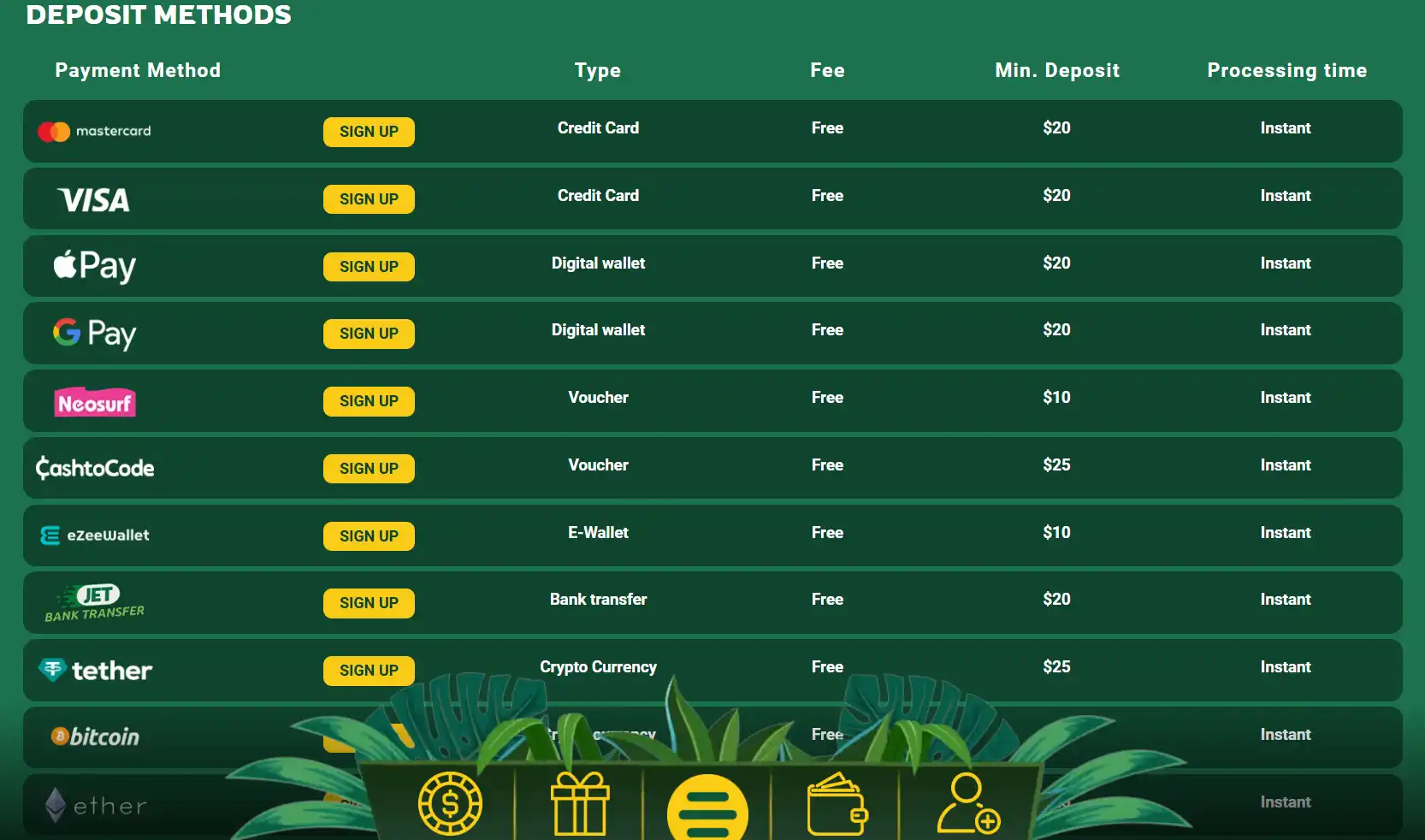
If you are considering real-money play, separate the way you fund an account from what may be needed to receive a withdrawal. Casino deposits can be made by card, e-wallet or cryptocurrency. Which options are available depends on the operator, so check the cashier’s listed methods before sending money. Neosurf vouchers, where offered, are for deposits only and cannot be used to withdraw funds.
A deposit method does not establish how quickly a later payment will arrive, or whether the operator will approve it. Keep the payment details and transaction records available, and read the site’s payment terms before depositing. Do not assume that being able to fund an account means you can withdraw without further checks.
A specialist review reports that casinos may require government-issued identification and proof of address for withdrawals above specified thresholds. Those thresholds and document procedures can differ, so check the operator’s current terms rather than relying on a general expectation. Have acceptable documents ready before you need to request a payment; incomplete or unresolved checks can interrupt the process.
For a real-money jackpot-pokies account, practical preparation means knowing which deposit methods are accepted and what evidence may be requested if you later seek a withdrawal. It does not confirm that a particular game is available, explain how a jackpot is awarded or indicate the likelihood of a payout. Treat payment arrangements and game information as separate matters, and avoid depositing until the relevant terms are clear.
Australian Online Casinos: Bonus Wagering Explained
Game eligibility and contribution rates can change how casino play counts towards a bonus wagering…
Free Jackpot Pokies: What Can Be Confirmed Before You Play
Free play and real-money play are not interchangeable labels. Seeing “free” beside a jackpot-themed pokie does not, by itself, tell you whether the game is a demo, what credits it uses or whether any displayed jackpot is part of the free-play experience. Those details need to be stated clearly for the particular game and offer.
Before relying on a free-play claim, look for its terms. Establish whether access is actually free, whether registration or a deposit is required, and whether play uses virtual credits rather than money. Also check what happens when those credits run out and whether the feature is available for a limited period. Do not assume a game can be played without payment simply because its description uses the word “free”.
A jackpot graphic or running total is not proof that a free session can win a prize. Nor does a free version necessarily reproduce every feature of a real-money game. If the terms do not explain whether a jackpot can be won in free mode, treat that point as unresolved rather than reading it into the display.
Keep any free-play offer separate from a promise of a cashable win. If an offer has conditions, read them before taking part and make sure you understand what they require. A free session may be useful for seeing how a game looks or handles, but that alone does not establish how a real-money version behaves or what its jackpot rules are.
The careful approach is to rely only on clear, game-specific descriptions and written terms. If those do not explain what “free” covers, you cannot reliably infer the game’s access rules, jackpot eligibility or prize treatment from the label alone.
Can you play online casino in Australia?
Yes, you can play at offshore casinos licensed in Curaçao, Malta or Anjouan without committing an offence under the Interactive Gambling Act 2001. There are no domestically licensed real-money casino sites available to Australian players, and domestic regulator protections do not apply to offshore platforms.
What's the safest online casino in Australia, and what does “safe” mean in this context?
All four casinos listed hold active licences from recognised offshore authorities, but that alone does not establish which is safest. Offshore platforms do not provide the player protections available through domestic regulators such as ACMA.
How long do withdrawals take?
Timing depends on the payment method and account verification: PayID transfers arrive almost immediately after the operator sends them, while bank transfers averaged 3.2 business days in testing. Bitcoin Cash withdrawals took under four hours across tested platforms; crypto payouts are released by the casino before blockchain confirmation, which usually arrives within an hour.
What are the bonus terms and wagering requirements?
Pokies bonuses commonly require wagering 30x–45x the bonus amount before bonus-linked winnings can be withdrawn; a 60x requirement on the deposit plus bonus can tie up funds. Check the offer’s game-weighting and maximum-bet rules too: slots generally count fully, while table and live dealer games count less, and some instant-win games may not count.

 Fair Go Casino Bonus Australia: Welcome Offer and Terms GuideFair Go Casino Bonuses and Welcome Offer for Australia The headline value is ...
 Is Fair Go Casino Legit? Trust, Reputation and Licence ChecksIs Fair Go Casino Legit? Trust, Reputation and Licence Checks A trust assessm...