


Fair Go Casino Player Reviews: Withdrawal, Verification and Support Themes
 Available in US
Fair Go has substantial recent public review activity, including reviews from Australian users. That makes review platforms useful for spotting questions worth investigating, especially around withdrawals, verification and support. It does not make individual reviews proof of standard payout times, account policy, wrongdoing or guaranteed reliability. A positive cashout story is not a payout guarantee, and a negative complaint is not evidence that every account will have the same outcome.
The best way to use Fair Go Casino reviews is as a signal layer. Check how recent a comment is, where the reviewer is located, whether the same theme appears repeatedly, whether the operator responded, and whether the underlying claim can be checked against current official terms or regulator material. Policy facts belong on the relevant factual page, not inside an anecdotal reputation score.
Table of Contents
- What a review platform can tell you
- Theme 1: withdrawals – use reviews to form questions, not payout rules
- Theme 2: verification – expect KYC, avoid copying document lists from comments
- Theme 3: support – separate channel availability from service quality
- Five checks before you rely on a Fair Go review
- Do not use reviews as regulatory evidence
- How to read positive and negative reviews without cherry-picking
- A practical pre-deposit review checklist
- Bottom line
What a review platform can tell you
A review platform can show that people are actively discussing a brand, surface recurring decision points and reveal how the operator responds in public. For Fair Go, the current public review stream includes Australian reviewers, which makes it more relevant to local readers than a collection made entirely from another market.
That still leaves major limitations. Review sites do not verify every underlying transaction. A reviewer can omit account history, bonus conditions, verification requests or payment ownership details. Another reviewer may describe a smooth experience without revealing the method, amount or account age that made the transaction straightforward. The platform’s role is to host and moderate opinions, not to replace a bank statement, casino account record, regulator finding or official policy.
A synthetic “trust score” can blur different questions. Review ratings measure sentiment on one platform at one time; Australian regulatory status comes from ACMA and the law; withdrawal and account rules come from current terms. Keep those dimensions separate rather than compressing them into one number.
Theme 1: withdrawals – use reviews to form questions, not payout rules
Withdrawal comments are among the most consequential things readers look for because cashout is where identity checks, payment ownership, bonus conditions and transaction review can intersect. A review that says a withdrawal was fast can be useful as an individual experience. It does not establish a standard processing time. A review describing a delay can highlight a question to investigate. It does not establish a universal refusal pattern.
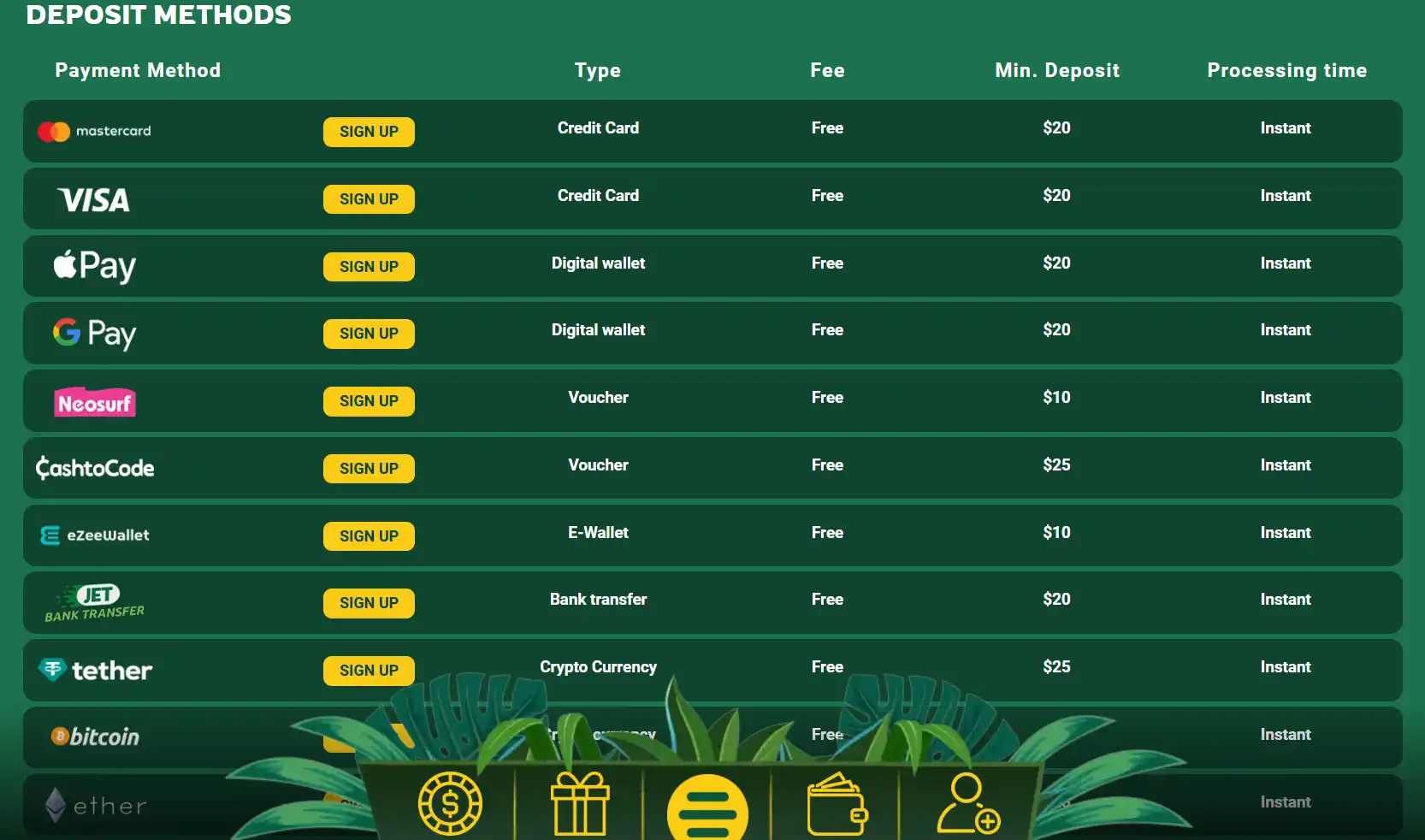
For cashout rules, use the withdrawal policy. Exact limits, method-specific processing times and fees can change and should come from current official banking information rather than review anecdotes.
When reading a withdrawal review, look for the missing variables. Was the account already verified? Was a bonus active? Was the payment method eligible for withdrawal? Did the reviewer mention a request for additional checks? Was the complaint written before the operator had time to respond? These questions do not disprove a complaint. They simply prevent a single account story from being promoted into a site-wide policy claim.
A practical pattern is to record the theme, then verify the rule. “Reviewer reports a delay” is an anecdote. “Current terms state a specific approval process” is a policy claim. The two can be discussed together, but they should never be labelled as the same kind of evidence.
Theme 2: verification – expect KYC, avoid copying document lists from comments
Account verification and KYC can be required before withdrawals at Fair Go. That general requirement is supported independently of reviews. What is not safely established as a universal public rule is the exact document list or a fixed verification turnaround time.
This makes verification reviews especially easy to misread. One player may be asked for one set of evidence and another may face a different check because the account, payment route or security context differs. A comment naming a passport, utility bill, payment-card image or selfie does not prove that every Fair Go customer will receive the same request.
Use the verification for the supported boundaries. The useful preparation advice is to register with accurate details, keep payment ownership consistent and expect identity checks to matter before cashout. If the live account asks for documents, follow that current instruction rather than a checklist copied from an old review.
Operator replies on review sites can add context, especially when they point to verification or account rules. They still should not substitute for the current terms. A public response is written about one complaint and may omit details for privacy or brevity.
Theme 3: support – separate channel availability from service quality
Fair Go offers 24/7 live chat support and email support. Those are product facts. Whether a particular support conversation was helpful, fast, frustrating or incomplete is an experience judgment. Reviews can inform the second question but do not change the first.
When comparing support comments, pay attention to the type of issue. A simple navigation question is not comparable with a withdrawal review, identity check or disputed bonus condition. Different cases can involve different teams and different evidence requirements. A reviewer who received an immediate answer may still have needed a later specialist decision, while a reviewer reporting a slow resolution may have reached live chat quickly.
The most useful signal is not one dramatic comment but a repeatable pattern that survives cross-checking. If several recent reviews raise the same support topic, use that as a reason to test the channel before depositing or to ask a precise question. Keep a copy of material account guidance you receive. That is more actionable than treating a star rating as a service-level promise.
Five checks before you rely on a Fair Go review
- Recency: prefer current reviews for changeable topics such as cashier behaviour, support flow and site access. Older comments can describe a policy that no longer exists.
- Geography: an Australian reviewer is more relevant to Australia-specific access and banking context than a reviewer in another country, but geography still does not prove a legal conclusion.
- Repeated themes: one report is an anecdote. Repetition can justify further investigation, but it still needs policy or regulator verification before becoming a factual claim.
- Operator response: a response can show the operator’s stated explanation or next step. It is secondary context, not an independent adjudication of what happened.
- Cross-check: move the issue to the right source. Banking claims go to payment terms, KYC claims to account rules, and legal claims to ACMA or legislation.
Do not use reviews as regulatory evidence
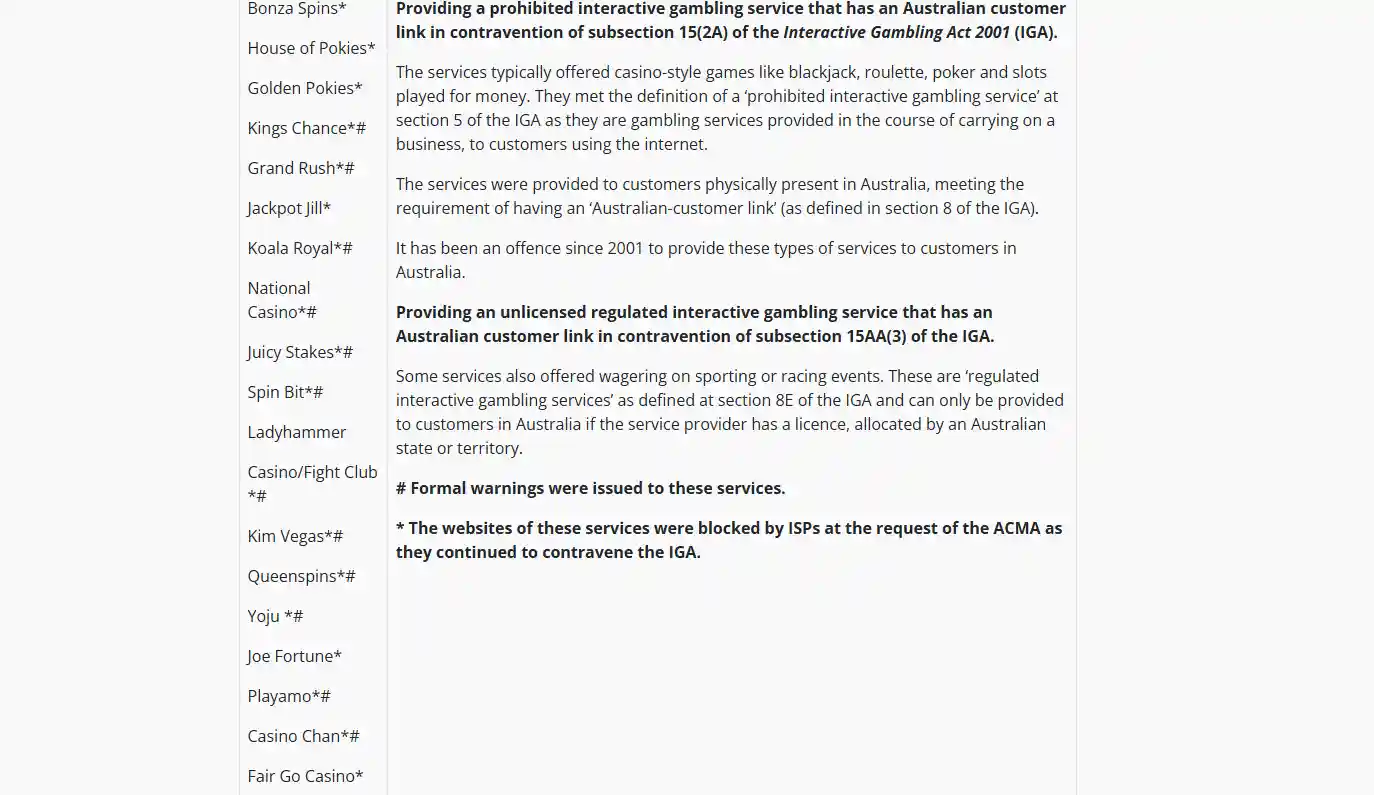
A review platform cannot establish whether Fair Go holds an Australian local licence or whether a service falls inside the Australian prohibited-interactive-gambling framework. ACMA has identified Fair Go Casino in enforcement material concerning prohibited interactive casino services supplied to Australian customers, and no Australian local gambling licence for Fair Go has been verified.
Those regulator facts belong in the ACMA context. They should not be averaged with a review score. A casino can receive positive user comments while having a regulator record that raises a separate legal question. It can also receive negative comments that do not prove a regulatory breach. The evidence types answer different questions.
How to read positive and negative reviews without cherry-picking
Positive reviews are useful when they identify concrete strengths to test, such as an easy interface or helpful support. Negative reviews are useful when they identify concrete failure points to investigate, such as verification friction or a disputed withdrawal. Neither side should be selected only to confirm a conclusion you already wanted.
A balanced review method samples recent comments across ratings, checks whether reviewers identify their country, notes whether there is enough detail to understand the issue, and looks for operator replies. Then it removes claims that cannot be independently checked. This process usually leaves fewer dramatic statements but more decision-useful information.
Serious accusations such as fraud, theft or deliberate non-payment cannot be established merely by quoting an individual review. Use reviews to identify a question worth checking, then compare it with the strongest available policy or regulator source.
A practical pre-deposit review checklist
- Read current review activity for themes, not promises.
- Check the withdrawal policy guide before relying on any cashout-time anecdote.
- Read the account and verification guide before assuming one reviewer’s KYC experience will match yours.
- Use live chat or email to test support with a specific, non-account-sensitive question.
- Read the trust overview for operator-history and evidence-method context.
- Use ACMA material, not review stars, for Australian regulatory status.
The value of player reviews is not that they produce a final verdict. Their value is that they reveal which questions deserve verification before money or personal data is committed. That makes them a useful part of due diligence, but only when the review layer stays separate from policy facts and regulator evidence.
Bottom line
Fair Go’s recent public review activity includes Australian users and gives readers a live stream of sentiment to examine. Use it to identify practical questions about withdrawals, verification and support, then verify each question against the appropriate source. Do not turn an individual success story into a guarantee, a complaint into proof of wrongdoing, or a platform rating into an Australian regulatory credential.
For the wider product picture, return to the Fair Go review. For Australian legal status, the ACMA page is the stronger source; for cashout rules, use the withdrawal guide; and for KYC boundaries, use the account guide. That source separation is more reliable than any composite reputation score.
Written by the editors at Fair Go Casino.