Online Pokie Games in Australia: What the Law Allows
If you are in Australia, real-money online pokie games are not legally offered under an Australian online casino licence. The law places the central obligation on the provider: under the Interactive Gambling Act 2001, offering online pokie machine games for money to people in Australia is an offence. The restriction applies to operators, including those based offshore, rather than creating a local licensing route for them.
That distinction matters. An Australian resident does not commit an offence under the Act simply by playing real-money pokies online with an offshore operator. This does not make the service lawful for the operator, or turn an offshore licence into approval to serve Australian customers. There is no Australian licence for this activity, and a licence issued elsewhere does not replace one.
The Act covers online casino-style gambling services provided to people physically in Australia. Pokies fall within that category, alongside games such as poker, blackjack and roulette. The key issue is not whether a site calls its games “pokies”, “slots” or something else; it is whether the service is offering prohibited real-money gambling to people in Australia. A free online pokie machine or simulator is a different matter from a game that accepts real-money wagers, but free play does not change the legal status of a prohibited real-money service. Demo play and bonus terms are separate considerations from the market-wide rules.
Список казино
Choosing a pokie machine is only part of the decision: the casino’s licensing and practical details can also shape your experience. Use these notes to see what is known about each option before you decide where to play.
1
JeetCity Casino
License
Curacao eGaming (Dama N.V.)
JeetCity Casino is listed with a Curacao eGaming licence held by Dama N.V. Check the licence details as part of deciding whether it suits you.
2
LuckyVibe
License
Curacao Gaming Control Board OGL/2023/176/0095 (Hollycorn N.V.)
LuckyVibe is listed with a Curacao Gaming Control Board licence, OGL/2023/176/0095, held by Hollycorn N.V. Its licence is the available point of reference when you assess the casino.
3
Kingmaker
Payout speed
crypto ~90 minutes, fiat 1-5 days
Min. deposit
A$30
Kingmaker lists a minimum deposit of A$30. Its stated payout timing is around 90 minutes for crypto and 1–5 days for fiat.
4
Roby Casino
License
Curacao eGaming (Roby Games Ltd)
Roby Casino is listed with a Curacao eGaming licence held by Roby Games Ltd. You can use that licensing information as one factor in your assessment.
5
Playfina Casino
License
Curacao eGaming (Hollycorn N.V., since 2017)
Min. deposit
A$20-30 (depends on the offer)
Playfina Casino is listed with a Curacao eGaming licence held by Hollycorn N.V. since 2017. Its minimum deposit is A$20–30, depending on the offer.
6
Vegaz Casino
License
Curacao OGL/2024/1335/0780
Min. deposit
EUR 20
Vegaz Casino is listed with Curacao licence OGL/2024/1335/0780. The stated minimum deposit is EUR 20.
7
JustCasino
License
Curacao Gaming Control Board
JustCasino is listed with a Curacao Gaming Control Board licence. That is the available licensing detail to consider when assessing it.
8
House of Pokies
License
international iGaming licence – jurisdiction not named in the source
Payout speed
PayID 1-24 hours
Min. deposit
A$30 (PayID from A$10)
House of Pokies lists an international iGaming licence, though the source does not name the jurisdiction. Its stated PayID payout timing is 1–24 hours; the minimum deposit is A$30, or A$10 for PayID.
9
Ricky Casino
Payout speed
crypto under 1 hour, PayID 1-3 business days
Min. deposit
A$20 (A$30 to qualify for the bonus)
Ricky Casino lists crypto payouts in under an hour and PayID payouts in 1–3 business days. The minimum deposit is A$20, rising to A$30 to qualify for the bonus.
10
Lucky Dreams
License
Curacao
Min. deposit
A$20 (POLi)
Lucky Dreams is listed with a Curacao licence and a minimum POLi deposit of A$20. These are the available details to consider when assessing it.
How enforcement works
The Australian Communications and Media Authority, or ACMA, oversees compliance with federal interactive gambling laws and enforces the Interactive Gambling Act. Its work includes investigating prohibited services and taking steps aimed at reducing their availability to people in Australia.
ACMA can ask internet service providers in Australia to block access to websites that provide prohibited interactive gambling services or advertise them. Blocking is an enforcement tool, not a local approval system: a site being reachable does not mean it is authorised to offer real-money online pokies to Australians, and a blocked page does not alter the player’s position under the Act.
ACMA reports that, following enforcement action, it has blocked more than 1,455 illegal gambling and affiliate websites since November 2019. The reported number of services that have withdrawn from the Australian market since enforcement began in 2017 is not consistent across sources: one figure is more than 210, while another is more than 190.
For readers, the practical point is that website access can change as enforcement proceeds. A website may become unavailable through blocking, or an operator may stop serving the Australian market. Neither event creates a right to use a different route to reach the service, nor does it mean the operator has gained permission to offer the games here.
Video Slots in Australia: Online Play, RNG and RTP
Learn how RNG-based spins work across devices, what free play can show, and which RTP…
The law also sets substantial potential penalties for operators that breach it. The stated maximum daily penalty is $360,000 for an individual and $1.8 million for a corporation. These are operator-focused consequences; they should not be confused with the position of an Australian resident who plays. Under the Act, playing real-money online pokie games with an offshore provider is not itself an offence for that resident.
This legal distinction can be easy to miss when a website presents itself as available to Australians or refers to a licence from another country. Such descriptions do not amount to an Australian licence. Nor does the presence of an online pokie machine, payment options or an account registration process establish that the operator may lawfully provide real-money games to people in Australia.
The rules concern the offer of real-money gambling, not merely the device used to reach a game. A browser, an app, or online pokie machine software does not create an exception to the Act. Likewise, terms familiar from land-based games, such as pokie paylines, do not determine whether an online service is permitted. The relevant legal question remains whether a provider is offering prohibited interactive gambling to someone located in Australia.
If you encounter a site that claims an offshore licence makes real-money pokies lawful for Australians, that claim should not be treated as evidence of local authorisation. Australia has no licence for operators to offer those games to residents, and ACMA has powers to pursue prohibited services and request website blocking.
What Changes from One Pokie Machine to Another
A pokie’s appearance can make two games seem similar, but the information that shapes a spin may differ. The paytable and the way paylines are set are useful places to start when comparing machines. They show what combinations the game recognises and how its layout is organised. A familiar theme or an elaborate screen does not tell you those details.
The paytable is the game’s guide to its prize combinations. It sets out the symbols and the prizes associated with them, so it is worth checking the table rather than assuming that matching-looking symbols work the same way across different titles. A symbol that matters in one game may have a different role or value in another. The table also helps you see which combinations are relevant before you begin.
Reading the paytable
Take a moment to look at the paytable for the specific game on the screen. Find the information about winning combinations and how they are counted, then check whether the game uses any symbols with special roles. The labels and illustrations can vary, so it is better to read the game’s own explanation than to rely on what you remember from another pokie.
Paytables are not interchangeable, even when games share a provider, theme or visual style. If you move from one title to another, pause and check again. This is a practical way to avoid misunderstanding what the screen is showing. It also gives you a clearer basis for comparing two pokie machines without relying on their names or artwork.
Pokies Tips and Tricks: Odds, Limits and Risk
Understand what pokie odds and RTP can tell you, and why past results cannot predict…
Fixed and variable paylines
A payline is a pattern across the reels that the game uses to identify a combination. Pokies can have different numbers of paylines, and those lines may be fixed or variable. With fixed paylines, the game’s line arrangement is set. With variable paylines, the player can choose among the available line options. The exact arrangement and controls depend on the title.
The number of lines is only part of the picture. Look at how the game displays them and whether the line selection can be changed. A busy screen may make it hard to see which patterns are active, so use the game’s information panel before starting. If you prefer a simpler layout, a machine with clearly shown lines may be easier to follow, regardless of its theme.
Paylines also affect how you read a result. A row of matching symbols may look significant, but the game’s rules determine whether their positions form a recognised line. Check the paytable and line diagram together: one explains the combinations, while the other shows the patterns used to assess them. That distinction can help prevent confusion when the reels stop.
Comparing machines sensibly
When you compare a pokie machine with another, keep the questions concrete: are the paytables different, how many paylines are offered, and are those lines fixed or selectable? These are visible differences in game structure. They give you more useful information than a title’s name alone, while leaving room for personal preference about artwork and presentation.
Do
Check the paytable for winning combinations
Verify if paylines are fixed or variable
Use the game's information panel
Don't
Assume symbols work the same across titles
Rely on artwork or names for game details
Guess the rules if they are unclear
There is no single layout that suits everyone. You may like having a fixed arrangement that does not require a line choice, or prefer a game that lets you select its available lines. Neither option makes a title inherently better. The right comparison is whether you understand the rules and are comfortable with the way the game presents them.
Before choosing to play, make sure the machine’s displayed rules match what you expect. If a paytable or line arrangement is unclear, take time to inspect the information on screen rather than guessing. A considered choice starts with knowing how that particular pokie is structured; its name or look cannot answer that for you.
Free Play, Demos and Bonus Terms
A free demo can show you how a pokie looks and how its controls work without putting your own money at stake. You may see the reels spin, symbols land and animations play, but that experience is separate from real-money play. A demo is not a way to test whether a machine is likely to pay, and its results do not predict real-money outcomes.
The distinction matters because pokie outcomes are generated by random number software. Each spin is independent of the one before it: a run of wins or losses in free play does not make a particular result more likely when money is involved. Nor does getting familiar with a game’s theme or interface reveal what its next spin will do. Treat a demo as a look at presentation and basic operation, not as a strategy or a forecast.
Live Blackjack Online in Australia: Rules and Checks
The guide explains Australia's restrictions, payment and currency considerations, and what strategy claims can—and cannot—show.…
What free play can and cannot show
If you want to understand a game before making decisions, a demo can help you see its layout and how its on-screen instructions are presented. It may also let you explore the controls without risking a deposit. But virtual credits are not money, and a balance shown in a demo cannot be withdrawn as cash.
A free-play result is not evidence that the same sequence, payout or experience will occur in real-money play. The random number generator determines outcomes independently, and results in a demo do not carry over. Winning repeatedly in free play does not establish that a pokie is reliably profitable; losing there does not mean a win is due next.
The same caution applies to any claim that a particular pokie machine strategy can turn free spins into dependable returns. A demo can help you learn where to find game information, but it cannot teach a method for predicting random outcomes. Keep the purpose narrow: use it to understand what you are looking at, not to decide that a game has been proven safe or profitable.
Read bonus terms before accepting
Bonus offers introduce a different set of conditions from demo play. Bonus funds may come with wagering requirements: you must place a specified amount of bets before those funds, or winnings linked to them, can be cashed out. The required bets are not the same as the amount of bonus money, so read the terms rather than relying on the headline offer.
A specialist review gives a clear illustration: with a $100 bonus and a 30x wagering requirement, the player would need to place $3,000 in bets before cashing out. That is an example of how one offer’s terms can work, not a standard that applies to every bonus. The operator’s conditions determine what counts towards wagering and whether particular games or bet sizes are excluded.
Free spins can also be part of a promotion. Any winnings from them may be credited as bonus funds rather than immediately withdrawable cash, and may be subject to wagering requirements and cashout limits. Check whether the spins themselves have restrictions, when the offer expires, and what happens to unused bonus funds. If the terms are unclear, accepting the offer can leave you with conditions you did not expect.
Before using real money, set a loss limit you can afford and stop when you reach it. A demo does not require that same money decision, but it should not be used to justify one. Free play can explain how a game presents itself; it cannot show what your real-money session will return or remove the conditions attached to a bonus.
Pokies in Australian Casinos: What Perth’s Machines Tell You
For a land-based example, Crown Perth gives you a useful picture of the choices available on a casino floor. It is Perth’s only legal land-based casino and has more than 2,500 gaming machines. That is a large selection, but the number alone cannot tell you which machine will suit you or what its payout percentage is.
Most machines at Crown Perth operate within an RTP range of 87% to 92%. RTP describes a game’s return across a very large number of spins; it is not a promise about what a particular machine will pay during your visit. A figure at the higher end of that range does not identify a highest-paying pokie for an individual session. Outcomes can differ, and a machine’s published information is more useful than its position on the floor or the impressions of other players.
Mines casino game in Australia: access and risks
A practical look at how Mines relates to pokies, what online play claims can verify,…
Crown Perth does not provide a machine-by-machine RTP list. That means you cannot use a venue-wide range to confirm the exact RTP of every casino pokie machine on its floor. If you want to compare machines, check the information displayed on the machine itself rather than assuming that all titles, or all versions of a title, use one setting.
What to check on the machine
Western Australian rules require every legal pokie to display its rules, paylines and prize table. Take a moment to read those details before you play. The rules explain how the game works; the paylines show which combinations can count as wins; and the prize table sets out the prizes associated with winning combinations. These are practical checks, whether you are choosing a familiar game or trying an Australian pokie machine for the first time.
The prize table is not the same as a promise of a particular payout. It shows the game’s stated prizes and conditions, while the RTP figure concerns the long-run return. If a machine displays an RTP, note the value for that specific game. If you cannot find the information you need, ask casino staff where it is shown rather than relying on a general estimate.
Checking a Casino Machine
Read the displayed game rules
Review the prize table and paylines
Check the specific RTP for that machine
Confirm the payout conditions
The label “best” can also be misleading when applied to a machine. One player may care about the stated RTP, while another may focus on the rules or prize table. The floor’s overall range does not establish a single best Australian pokie machine, and a pokie machine simulator cannot tell you what a real session at a casino machine will pay. Treat comparisons as a way to understand the information available, not as a forecast of your result.
Crown Perth’s scale makes it possible to encounter many different machines in one venue, but a large floor does not remove the need to check each game. Start with the displayed rules, paylines and prize table, and read any RTP information attached to the particular machine. That gives you a clearer basis for deciding whether to play, without confusing a venue-wide range with the details of the machine in front of you.
Game Features, Free Spins and Progressive Jackpots
Some pokie features change how a bonus round begins; others connect prizes across a group of machines. Knowing which mechanic a game uses can help you understand what its on-screen prompts mean, but it does not make an outcome predictable.
A feature-buy option lets a player pay an additional amount to enter a bonus round directly instead of waiting for its trigger during ordinary play. The extra cost is a premium on top of the base bet, and the bonus may involve free spins. A specialist review has described feature-buy prices in some games as 50 to 100 times the base bet. That is a report about particular games, not a standard price across pokie machines; the game’s own rules show the cost that applies.
Buying entry changes when you reach the feature, not what it can return. The bonus round can still produce a small result or no return that offsets the extra cost. Before selecting the option, check how much it costs, what the feature includes and whether it changes the stake shown for the spin. If free spins produce winnings under a bonus offer, those winnings may be treated as bonus funds and be subject to wagering requirements and cashout limits.
Best 3-Reel Slots in Australia: What to Know
The reel count describes the layout, while paytables, features, return and play conditions depend on…
Progressive jackpots work differently. In a networked game, machines—or machines across multiple casinos—contribute to a shared jackpot pool. As the pool grows, the displayed prize can become much larger than a prize funded by one machine alone. Games such as “Lightning Link,” “Dragon Link” and “Cash Express” illustrate this networked format.
A networked jackpot is not the same as a guaranteed prize for any one player. The rules explain what must happen for a jackpot to be awarded and whether a particular machine is part of the relevant network. A large displayed amount describes the pool, not the likelihood that a given spin will win it. Read the game information rather than assuming every machine carrying a familiar title is linked to the same prize.
Free spins can also be part of a game’s ordinary bonus feature, separate from any promotional free-play offer. In some games, players can win a prize by landing at least three symbols during the free-spins round. The precise trigger and prize rules depend on the individual game, so check its paytable and feature instructions before play.
These are descriptions of game mechanics, not an indication that real-money online pokies are legally available to Australian residents. The mechanics may appear in land-based settings or in descriptions of games, but an online feature does not change the legal position.
How Pokie Odds and Volatility Affect a Session
RTP and volatility describe different aspects of a pokie. RTP is a long-run measure: it represents the share of all wagers a game returns across a very large number of spins. It is not a forecast of what you will get back during your session, and it does not identify a machine that is likely to win for you.
Volatility describes the pattern of payouts. A lower-volatility game tends to pay smaller amounts more often; a higher-volatility game pays less frequently but can produce larger wins. That difference can affect how a session feels: frequent small returns may suit someone who prefers steadier play, while longer stretches without a payout can be part of the experience on a higher-volatility game. Neither pattern changes the uncertainty of the next spin.
Low Volatility Slots in Australia: Hit Frequency and Risk
Low volatility describes a pattern of win frequency and payout size, not a promise of…
A specialist review has listed Gates of Olympus at 96.5% RTP and Sweet Bonanza at 96.48%. Treat those figures as reported settings for the versions reviewed, not as a guarantee for every version or venue. Even when a displayed RTP is accurate, it describes performance across an enormous number of spins, not an individual player’s result. A high RTP does not ensure short-term wins, and two sessions on the same game can end very differently.
Each spin is independent. Previous results do not make a win more likely because a game has paid out repeatedly, or because it has not paid for some time. The sounds, animations and near-misses may make a spin feel significant, but they do not change the result of the next one. When considering pokie machine odds, focus on the game’s stated RTP and volatility as broad descriptions, rather than reading a pattern into recent outcomes.
There is no single best pokie machine to play or best pokie machine to win on the basis of RTP or volatility alone. Those measures cannot tell you whether a particular session will be profitable. If you choose to play, decide in advance how much you are prepared to lose and stop when you reach that limit. Think of any amount returned during play as uncertain, not as money you can count on recovering.
This distinction also matters when you are deciding how to play a pokie machine. Choosing lower volatility does not remove the chance of losing your stake, and choosing a higher-RTP title does not turn a short session into a predictable one. Use the figures to understand the game’s general profile, not to make promises about what will happen next.
Real-Money Play: Risks Beyond the Spin
Moving from a pokie machine demo to real-money play changes what is at stake, not how the game works. Demo results do not indicate what will happen with money involved: each spin remains uncertain, and a run of wins or losses in free play cannot tell you what comes next.
Before you deposit, decide what you can afford to lose and set a firm loss limit. Treat it as a boundary, not a target to recover losses up to. If you find yourself increasing it after a bad run, pause rather than trying to win the money back. A real-money pokie can make each result feel more pressing, but that feeling does not improve your chances.
The legal position is also easy to misunderstand. Under the Interactive Gambling Act 2001, an Australian resident does not commit an offence simply by playing online pokies for money with an offshore operator. That does not mean the operator is authorised to provide the service in Australia, or that you have the protections available through a local regulator.
If an offshore operator delays or refuses to pay winnings, getting an effective remedy may be difficult. The operator may be outside the reach of Australian complaint and enforcement processes, leaving you with few practical ways to resolve a dispute. A balance shown on a website is not the same as money safely in your account. Keep copies of relevant terms and transaction records, and be cautious about depositing more while a payment dispute is unresolved.
Consider what happens if access to the account is restricted or the operator stops responding. Do not rely on customer support promises as a substitute for independent recourse, and avoid risking money you need for bills or other essentials. The fact that a game is available through an app or website does not remove these risks.
Before playing, check that you understand the terms and can stop without chasing losses. If you cannot keep to your limit, stepping away is a practical choice—not a way of predicting what the next spin will do.
Pokie Apps, Deposits and Withdrawal Cautions
A pokie app can make an offshore gambling site easier to open on a phone, but the app does not change the legal status of real-money online pokies in Australia. There are no state-issued licences for online casinos in Victoria, and players do not have local regulatory recourse if a dispute arises. Treat mobile access as a way to reach a service, not as evidence that the service is approved for Australian residents.
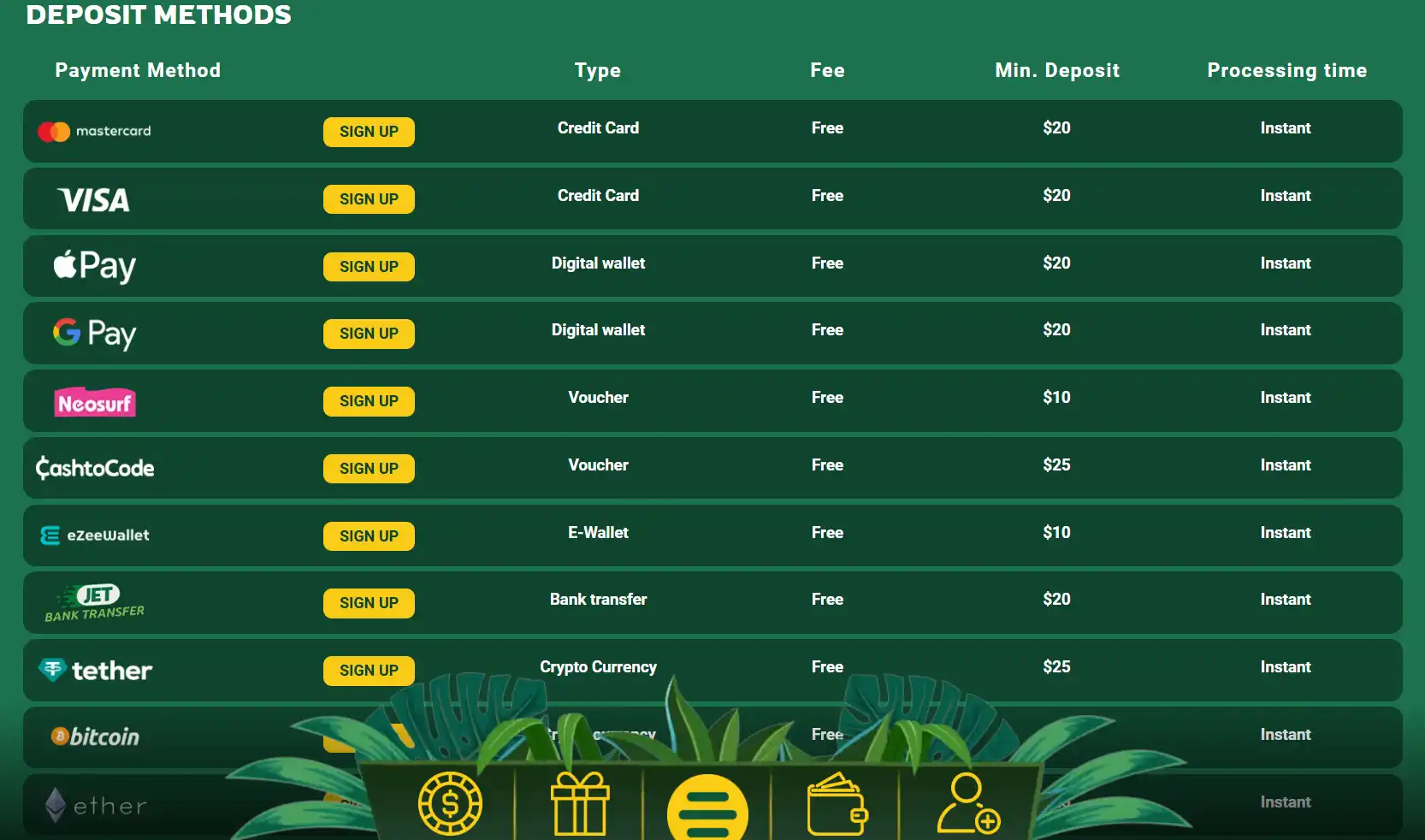
Payment options need the same careful reading. A specialist review of operators catering to Australians reports deposits through Visa, Mastercard and bank transfer, with Bitcoin and Ethereum also appearing increasingly in its coverage. That is a report about payment methods, not a guarantee that any particular operator offers them or that using them makes online play lawful. Before entering payment details, check what the provider says about deposits, withdrawals and identity checks; do not assume that a familiar card logo means you have the protections available for an ordinary local purchase.
Pay attention to the withdrawal process before depositing. A request can remain pending for 24–72 hours, and during that time a casino may encourage you to reverse it and use the funds to keep playing. If you have asked for a withdrawal, avoid treating a reversal prompt as a routine step. It can put money you intended to take out back within reach of further gambling.
Read the terms for any deposit promotion as well. Bonus funds may come with wagering requirements and cashout limits, so a balance shown in an app may not be immediately withdrawable. Check whether the terms apply to bonus funds, winnings, or both, and whether there are conditions attached to withdrawing. If the wording is unclear, do not rely on an in-app balance as proof that the amount can be paid to you.
Casino Games: Slots, Pokies and Table Games
An app’s polished design, a listed payment method or a jackpot displayed on screen cannot establish that an offshore operator will resolve a dispute fairly. If winnings are withheld, an Australian player may have limited effective legal recourse against that operator. Keep the decision separate from the convenience of the phone: set a loss limit before any gambling, and do not deposit money you need for bills or other essentials.
Recognising New Titles and Networked Pokies
A game can feel new because you have not seen it before, but that does not necessarily mean it has just been released. A pokie may be new to a particular venue or machine bank while its title has been available elsewhere. The name on the screen is a useful starting point, but it does not tell you by itself when the game was released or whether it is a standalone title.
It also helps to separate a game’s name from a network label. Some pokies are linked across multiple machines or casinos to contribute to a shared progressive jackpot. Lightning Link, Dragon Link and Cash Express are examples of networked games. Seeing one of these names signals that the game is part of a wider network, rather than simply identifying a new title at that particular machine.
When checking unfamiliar pokie machine names, read the full title shown on the screen or in the game information. Similar artwork or a familiar word in the name is not enough to establish that two games are identical. If a venue describes a game as new, you can check whether it means newly released or simply newly installed there. Those are different claims.
A newly encountered game may also carry a network name that you recognise. In that case, the title’s presence is not evidence that the underlying game or network has just launched. Treat promotional wording as a description to verify, not as a release date.
This distinction is useful when you are looking for new pokie machine games: compare the exact title, and note whether the game is identified as networked. A new cabinet, a new installation and a newly released title are not interchangeable. Names can help you identify what is on offer, but they cannot establish how often a game pays or predict what it will do next.
RTP Checks and Tips Before You Play
Before choosing a pokie, check the RTP shown for the specific version available where you intend to play. A game title alone is not enough: some providers let operators select from a range of RTP settings for the same game. An advertised figure may therefore describe a different configuration from the one on the machine.
Look in the game’s information or rules display and compare the listed RTP with any figure used to describe that version. If the setting is unclear, do not assume the advertised number applies. The relevant figure is the one for the actual game you can play, not simply the highest value associated with its title.
Use RTP as a comparison aid, not a promise about what will happen during your session. It describes returns across a very large number of spins; it cannot tell you whether you will win in a short visit. A higher RTP does not ensure short-term wins, and individual results can vary widely.
A practical approach is to decide in advance how much you are prepared to lose, then stop when you reach that limit. Do not raise it to chase losses or because a game’s advertised RTP looks favourable. These checks can help you make a more informed choice, but they cannot remove the uncertainty of playing.
Can I play pokies for free before betting real money?
Yes, free online pokie games or simulators are different from games that accept real-money wagers.
Is there a strategy to win at pokies?
No strategy can predict or influence a spin: each outcome is random and independent of previous spins.
What law governs online gambling in Australia?
The Interactive Gambling Act 2001 governs online gambling services, including real-money online pokies offered to people in Australia.
Are online pokies legal for Australian players?
Operators cannot legally offer real-money online pokies to people in Australia, but an Australian resident does not commit an offence under the Act simply by playing with an offshore operator.

 Fair Go Casino Bonus Australia: Welcome Offer and Terms GuideFair Go Casino Bonuses and Welcome Offer for Australia The headline value is ...
 Is Fair Go Casino Legit? Trust, Reputation and Licence ChecksIs Fair Go Casino Legit? Trust, Reputation and Licence Checks A trust assessm...