The guide distinguishes player conduct from operator restrictions and examines cashouts, crypto costs, game claims and bonus conditions.

Crash Games and the Australian Legal Context
A crash game is a format in which a multiplier rises during a round and then stops at an unpredictable point. A player who has staked money may try to cash out before that happens; waiting longer can mean a larger potential return, but also the risk of losing the stake. That basic format explains why people look for a crash casino game, but it does not change the legal position of real-money online casino services in Australia.
The central distinction is between the person playing and the operator providing the service. Under the Interactive Gambling Act 2001, it is illegal for operators to provide real-money online casino games to people physically located in Australia. The prohibition covers casino-style services such as slots, poker and table games; calling a product a crash game does not, by itself, put a real-money online casino service outside that framework. The Act restricts the service being offered to people in Australia, rather than making the player’s use of an offshore site a criminal offence.
Casino Games: Slots, Pokies and Table Games
That distinction matters if an offshore casino accepts Australian payments or advertises an offshore licence. An operator may be able to take payments from Australian customers while operating under a licence issued elsewhere, but that licence does not amount to Australian authorisation to provide the service here. Payment acceptance is not proof that the service is lawful in Australia, and an offshore licence does not displace the Australian rules. This is a description of the legal context, not a recommendation to use an offshore site.
The federal regulator is the Australian Communications and Media Authority, or ACMA. It enforces the Interactive Gambling Act and monitors compliance with federal interactive-gambling laws. Where a website provides prohibited gambling services to Australians, or advertises them here, ACMA can ask Australian internet service providers to block access. A site’s availability at one point in time therefore does not establish that it is permitted to operate or will remain accessible.
Enforcement has also led to a substantial number of websites being blocked or leaving the local market. ACMA reports blocking more than 1,455 illegal gambling and affiliate websites following enforcement actions since November 2019. Figures for services that have withdrawn since enforcement began in 2017 are not consistent: one account puts the total above 210, while another says more than 190. Those figures should not be collapsed into a single settled count. They illustrate enforcement activity, but they do not tell you whether a particular service is lawful or available now.
Casino Dice Games in Australia: Rules and Legality
Casino dice can refer to several game formats, but Australian law distinguishes the games themselves…
The Act also prohibits advertising real-money online casino services to Australian audiences. That restriction is relevant when crash games appear in sponsored material, promotional pages or affiliate content: an advertisement or favourable description should not be mistaken for evidence of Australian approval. A page may discuss a game or an offshore operator, but that does not make the underlying service lawful to offer to people in Australia.
The law sets significant penalties for breaches by those who provide prohibited services: the maximum daily penalty is $360,000 for an individual who violates the Act and $1.8 million per day for a body corporate. These are not penalties imposed on a player merely for using an offshore site. Keeping that distinction clear avoids two opposite misunderstandings: that an offshore casino is locally authorised because it accepts Australian customers, or that a player is committing a crime simply by visiting one.
If you are considering a real-money crash game, the first issue is not whether its format sounds appealing. It is whether an online casino service can lawfully be offered to someone in Australia. The legal restriction applies regardless of the game’s name or presentation, and a foreign licence does not remove it. Gambling is for adults aged 18 or older, and it can cause serious harm to people who are vulnerable to gambling-related problems.
What “Best” Means When You Cannot Rely on a Ranking
Список казино
Choosing a casino for crash games means checking the available operator details before you decide where to play. Use this list as a reference point, and verify the terms that matter to you.
- 1
JeetCity Casino
- License
- Curacao eGaming (Dama N.V.)
JeetCity Casino is listed with a Curaçao eGaming licence held by Dama N.V.
- 2
LuckyVibe
- License
- Curacao Gaming Control Board OGL/2023/176/0095 (Hollycorn N.V.)
LuckyVibe is listed with a Curaçao Gaming Control Board licence, OGL/2023/176/0095, held by Hollycorn N.V.
- 3
Kingmaker
- Payout speed
- crypto ~90 minutes, fiat 1-5 days
- Min. deposit
- A$30
Kingmaker lists a minimum deposit of A$30. Its stated payout times are around 90 minutes for crypto and 1–5 days for fiat.
- 4
Roby Casino
- License
- Curacao eGaming (Roby Games Ltd)
Roby Casino is listed with a Curaçao eGaming licence held by Roby Games Ltd.
- 5
Playfina Casino
- License
- Curacao eGaming (Hollycorn N.V., since 2017)
- Min. deposit
- A$20-30 (depends on the offer)
Playfina Casino is listed with a Curaçao eGaming licence held by Hollycorn N.V. since 2017. Its minimum deposit is A$20–30, depending on the offer.
- 6
Vegaz Casino
- License
- Curacao OGL/2024/1335/0780
- Min. deposit
- EUR 20
Vegaz Casino is listed with Curaçao licence OGL/2024/1335/0780. Its minimum deposit is EUR 20.
- 7
JustCasino
- License
- Curacao Gaming Control Board
JustCasino is listed with a Curaçao Gaming Control Board licence.
- 8
House of Pokies
- License
- international iGaming licence – jurisdiction not named in the source
- Payout speed
- PayID 1-24 hours
- Min. deposit
- A$30 (PayID from A$10)
House of Pokies lists an international iGaming licence, but the jurisdiction is not named. PayID payouts are listed at 1–24 hours, with a A$30 minimum deposit or A$10 when using PayID.
- 9
Ricky Casino
- Payout speed
- crypto under 1 hour, PayID 1-3 business days
- Min. deposit
- A$20 (A$30 to qualify for the bonus)
Ricky Casino lists crypto payouts under 1 hour and PayID payouts in 1–3 business days. The minimum deposit is A$20, or A$30 to qualify for the bonus.
- 10
Lucky Dreams
- License
- Curacao
- Min. deposit
- A$20 (POLi)
Lucky Dreams is listed with a Curaçao licence. Its minimum deposit is A$20 when using POLi.
A label such as “best crash game” is a claim, not evidence. A ranked page may look decisive while leaving out the details that would let you compare one game with another: its rules, how a round ends, what information is available before you play, and whether the stated features apply to the specific game being discussed. Without those details, a list of casinos or games can create confidence without giving you a reliable basis for judgment.
Start by separating claims about a game from claims about the place offering it. A casino may advertise crash games, but that does not establish which titles are available to you, how each one works, or whether a description applies to the current version. Likewise, calling a game “rocket” or “crash” does not identify its rules. Look for information tied to the named title, rather than relying on broad promotional language or a ranking that does not explain how its choices were made.
Be cautious with return-to-player figures, too. RTP is a statistical measure associated with a game over extended play; it is not a promise about what you will receive in a session. KA Gaming slot RTP figures are generally reported in the 94%–96% range. That information concerns KA Gaming slots. It does not establish the RTP of a particular crash game, nor does it show that a crash game has the same mechanics or expected return as a slot. A figure becomes useful only when it is clearly connected to the exact title and supported by information about that title.
The same distinction applies when a page uses “crash slot” as a broad label. A search result or category name can group unlike products together. Do not assume that a game is a slot, or that slot information describes a crash game, simply because both appear under similar wording. Check the title and the claim being made. If a page gives a provider’s general figures but does not connect them to the game in question, treat the figures as background, not as proof.
Mines casino game in Australia: access and risks
A practical look at how Mines relates to pokies, what online play claims can verify,…
Read the offer, not just the headline
A large bonus can draw attention away from the conditions attached to it. Bonus funds are not the same as cash you can withdraw: they may be subject to wagering checks, and the terms determine what must happen before bonus-derived winnings can be withdrawn. A specialist affiliate review describes requirements in the 30x–50x range, but those figures should not be treated as a fixed rule for every offer. The terms for the specific promotion matter.
The arithmetic can make a headline offer look different. One specialist review gives the example of a $100 bonus with a 40x wagering requirement: the player must place $4,000 in bets before bonus-derived winnings can be withdrawn. That is a calculation for that stated example, not a general condition that applies to every bonus. Check what amount the multiplier applies to, which games count, whether different games contribute differently, and what happens if the offer expires or is cancelled. If the terms are unclear, the headline value cannot tell you how usable the offer is.
You should also distinguish between a bonus being available and a bonus being suitable. A promotion can carry restrictions that make it difficult to meet its conditions, even when the amount looks attractive. Read the full terms before accepting it, and do not treat promotional wording as an explanation of the actual requirements.
Do
- Read the full terms and conditions
- Identify specific wagering requirements
- Check which games contribute to bonuses
Don't
- Rely solely on the headline bonus value
- Assume wagering rules are fixed across offers
- Treat promotional wording as the final requirements
A useful comparison is therefore not a contest between labels such as “top” or “best.” It is a check of whether each claim is specific, current and supported: does it name the game, explain the feature, and make clear which terms apply? For any offer, can you identify the wagering conditions and the games that count? If the answer is missing or obscured, a confident ranking cannot fill the gap.
Playing Online: Access, Payments and First Cashouts
A crash game may appear available on an offshore site one day and fail to load another. The Australian Communications and Media Authority (ACMA) can ask internet providers to block access to offshore gambling websites, and it actively uses this power. A blocked page does not necessarily mean your device or internet connection is at fault. Repeatedly trying different routes to reach a site can also leave you dealing with an unfamiliar service without resolving the underlying access issue.
If you are considering an online crash game, separate the question of whether a page opens from whether you can use the service reliably. A site may load while its cashier, account area or game does not. Access can also change, so a saved bookmark or an earlier successful visit is not a dependable sign that the service will remain available. Avoid sending money or personal documents simply because a page is reachable.
Live Baccarat Online in Australia: How It Works
A practical overview of live dealer play, baccarat rules and the legal distinction between overseas…
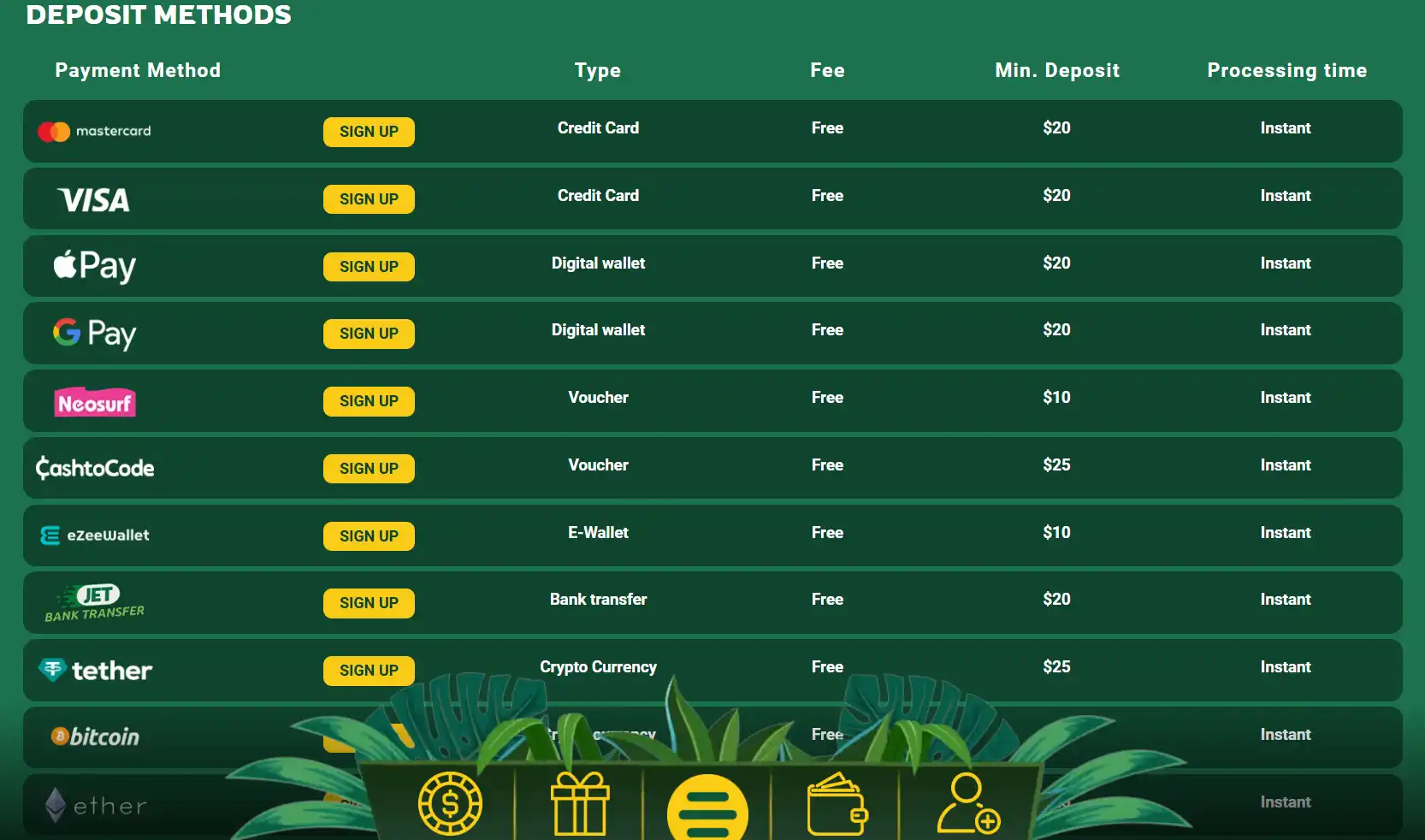
Payment details matter most when you want to take money out. Offshore sites commonly set minimum withdrawal thresholds between A$75 and A$150. If your balance is below the threshold, you may not be able to request a withdrawal yet. Check the cashier’s current terms before depositing: look for the minimum withdrawal amount, the payment methods available for withdrawals and any stated processing conditions. A deposit option does not, by itself, confirm that the same method can be used to withdraw.
First cashouts can involve additional checks. KYC—identity verification—commonly requires documents such as a passport or driver’s licence, along with a utility bill. This can add friction at the point when you are trying to access your balance, especially if you have not read the requirements in advance. Check which documents are requested and how they must be submitted before deciding whether to create an account. Only use the site’s stated secure process; do not send identity documents through an informal channel.
Take care that the account details and the documents you provide are consistent. If a name, address or other detail needs correction, resolve that through the site’s official account process rather than guessing what will satisfy a review. Keep a record of what you submit and any confirmation you receive. These steps cannot guarantee that a withdrawal will be approved or arrive by a particular time, but they can help you identify what the site is asking for and avoid preventable delays.
Verification Process
- Confirm the service is currently accessible
- Review the minimum withdrawal thresholds
- Identify required KYC documents (passport, utility bill)
- Verify available withdrawal payment methods
For anyone looking to play a crash casino game online, the practical sequence is simple: establish whether the service is accessible, read the cashier terms, and understand the identity checks before depositing. Do not treat a successful deposit as evidence that the withdrawal process will be equally straightforward. If a site is blocked or its terms are unclear, pause rather than putting more money or sensitive information into an uncertain process.
Online gambling is for adults aged 18 or older. If gambling is causing harm to you or someone close to you, seek support rather than trying to recover losses through further play.
Crash Games, Slots and Software Claims
The words “crash” and “slots” can appear together in a title, a category label or a page description, but that does not make the products interchangeable. A crash game is generally presented around a changing multiplier and a decision about when to stop a round. A pokie, by contrast, is built around spins and a reel-based result. Those broad labels can help you understand what a page appears to offer; they do not confirm how a particular game works.
This distinction matters when a game is described as a crash slot, or when a title combines a crash-themed name with familiar slot language. The wording may be branding rather than a precise description of the format. Before drawing conclusions, look for the game’s own rules and an explanation of its round structure. A thumbnail, category heading or short promotional description is not enough to establish whether the game is a crash game, a pokie, or something that borrows elements from both.
The same caution applies to searches for a crash game associated with a particular casino. A casino name beside the word “crash” may refer to a game listed on that site, a third-party product, a review, or simply a phrase used in a page title. The pairing alone does not prove who developed the game, what features it has, or whether the casino’s description is accurate. Treat the game’s full title and the provider attribution as separate details to check.
Live Roulette in Australia: English-Speaking Dealers
An overview of roulette variants, table rules, odds, dealer language and the legal context for…
Software-provider information can also be easy to misread. A provider may publish several kinds of games, and knowing that a company makes pokies does not establish that it made a specific crash game. Nor does a list of that provider’s slot titles tell you how a crash product behaves. Look for a matching game title in the provider’s own catalogue or documentation, rather than inferring a connection from a logo or a general provider list.
RTP figures need the same care. KA Gaming’s slot RTP percentages are typically reported in a range from 94% to 96%, but those figures concern its slot games. They are not a crash-game RTP, a prediction of an individual result, or evidence about a crash title carrying the provider’s name. A percentage should only be applied to the exact game and game version it describes. If the title, format or provider does not match, the figure cannot answer the question you are asking.
A name such as “Thunder Crash” may sound like a distinct game, but a title by itself does not verify its mechanics or software source. Check whether the rules identify the game format and whether the provider attribution matches the exact title. If those details are vague or inconsistent, avoid treating nearby slot information as a substitute. The useful distinction is simple: a shared word, theme or provider label is not proof that two games have the same format, features or published statistics.
Crypto Payments: Speed Is Not the Whole Cost
A crypto withdrawal can appear attractive because it may clear faster than other withdrawal routes. A specialist review describes crypto withdrawals as often clearing fastest, but speed alone does not tell you how much value will reach your wallet. Network fees and conversion spreads can reduce the amount received, so the figure shown before a withdrawal is not necessarily the final amount available to you.
For someone looking at a crash game that uses cryptocurrency, separate three figures: the balance being withdrawn, any fee applied to the transfer, and the value after conversion. A network fee is associated with moving the cryptocurrency across its network. A conversion spread is the difference between the exchange rate used for the transaction and a reference market rate. Either can affect the result; together, they may make a quick transfer less favourable than it first appears.
Live Blackjack Online in Australia: Rules and Checks
The guide explains Australia's restrictions, payment and currency considerations, and what strategy claims can—and cannot—show.…
Before relying on a displayed estimate, check whether it is expressed in cryptocurrency or in Australian dollars, and whether the conversion rate is fixed at the point you request the withdrawal or determined later. The terms should also explain which costs are deducted and whether the amount shown is before or after those deductions. If that information is unclear, you cannot confidently compare the displayed balance with what you expect to receive.
A useful comparison is the net value, not the transfer time. Consider the amount that would remain after stated fees and conversion, then compare that with the value you would expect from another available route. Do not treat an advertised “fast” transfer as proof of a better deal: the speed and the final value are separate questions.
Crypto prices can move while a transaction is being processed or converted. That means a quoted value may not match the value you can use when it arrives. Where the service does not show the conversion basis clearly, leave room for uncertainty rather than planning around the most favourable estimate.
This is not a reason to deposit or continue playing. A payment method cannot make a crash game safer, change its outcome, or turn gambling into a source of income. If you are already deciding whether to withdraw, focus on the net amount and the terms you can verify, not on a promise of speed.
Bitcoin Withdrawals and the Amount You Receive
A bitcoin balance can make a withdrawal look straightforward: the amount shown in the account is not necessarily the amount that reaches your wallet. A specialist review describes crypto withdrawals as often clearing quickly, but notes that network fees and conversion spreads can reduce the sum received. That distinction matters whether you are looking at a crash game themed around a balloon, a chicken or something else. The game’s theme does not determine the withdrawal value.
Bitcoin should not be treated as an exception to that general crypto trade-off. A quick transfer and a favourable final amount are separate things. The displayed balance may be converted before payment, and the exchange rate used can affect how much bitcoin is sent. A network fee may also be deducted or charged separately. Without the applicable terms and conversion details, a balance alone cannot tell you what will arrive.
Before relying on a quoted withdrawal amount, check which currency the balance uses and how it is converted to bitcoin. Look for whether a network fee is taken from the amount sent, added on top, or handled another way. If the terms do not explain this clearly, the amount you expect and the amount received may differ. Do not assume that a rapid processing description means the quoted balance will be delivered in full.
This is relevant when a crash game is presented alongside bitcoin payments, but it does not establish anything about the game’s rules or outcomes. A bitcoin-funded crash game and a crash game that pays out in bitcoin are also not necessarily the same arrangement: one concerns how you deposit, the other how a withdrawal is settled. Read the payment terms for the specific transaction rather than treating a bitcoin label as a complete explanation.
High-Volatility Slots in Australia: Payouts Explained
High volatility means wins tend to arrive less often and may be larger, but it…
Keep a record of the quoted amount, conversion rate and any stated fee before confirming a withdrawal. Compare that information with the amount that arrives in your wallet. If the operator’s terms leave a material cost unclear, pause rather than basing your decision on speed alone. Fast clearance can be useful, but it does not remove the cost of converting value or sending it across a network.
Free Play and What It Can—and Cannot—Show
A free-play version can look like a low-risk way to understand a crash game before deciding whether to use real money. But the label alone tells you little about how that mode works. It does not establish whether the same game logic is used, whether results are generated in the same way, or whether any displayed balance behaves like money you could withdraw.
That distinction matters if you are comparing a free crash game with a real-money version. A run of favourable results in free play cannot show what you would receive with money at stake. Nor can a losing run predict what will happen next. Each session is an experience of the mode being presented, not a forecast of future outcomes.
Free play can still help you inspect what is visible: the layout, instructions, controls and terminology. Take time to read the rules rather than assuming that a familiar-looking screen explains the game. If the rules do not clearly describe how a round begins and ends, what the displayed values mean, or how a decision is applied, do not fill the gaps with assumptions. A polished interface is not proof that the underlying game works as you expect.
The same restraint applies to claims about the software. A provider’s name or a game title does not, by itself, establish how a particular free mode operates. Nor does access to a no-cost version confirm that a real-money version has identical features or results. Treat statements about those details as claims to check, not as conclusions you can draw from a short free session.
If you encounter a free-play option, avoid treating it as a trial that guarantees a comparable real-money experience. It may be useful for learning the displayed rules, but it cannot demonstrate what a real-money session would produce or establish that a particular game is fair. Those are separate questions.
Keep the boundary clear: free play may show you how a screen is presented; it cannot tell you what you will win, or whether you should risk money. Gambling is for adults aged 18 or older, and it can cause serious harm to vulnerable people.
Cash-or-Crash Searches and Progressive Jackpot Conditions
A “cash or crash” label does not, by itself, tell you that a game has a progressive jackpot. Crash games and progressive pokie jackpots are different concepts: the first label describes a type of game, while the second refers to a prize that can grow as people play linked machines or a network of pokies. A shared word such as “crash” is not evidence that the same rules or prize features apply.
Progressive jackpots can be standalone or networked. A standalone prize is tied to a local machine, while a networked prize can span multiple machines or an online operator’s fleet. In either case, the jackpot is connected to play on the participating machines or network. That does not mean every game described as a casino crash game contributes to one, or that playing any game with a similar name makes you eligible.
If a product does advertise a progressive prize, look for its specific eligibility rules before treating the displayed jackpot as available to you. A specialist review advises checking the contribution rate and the minimum bet needed to qualify. These are separate details: the contribution rate concerns how play feeds into the prize, while the minimum bet can determine whether a particular round qualifies at all. The review’s guidance should not be mistaken for a universal rule; conditions can differ between products.
Some progressive games set a minimum qualifying bet, and A$1.00 is one stated example. It is not a general threshold to apply to every jackpot. Read the rules for the exact game and confirm whether your stake meets the stated requirement. If the terms do not explain how eligibility works, do not assume that a visible prize will be awarded from any bet.
This distinction matters when a title combines cash-or-crash wording with casino or live-casino language. Such wording does not establish that the game is a progressive pokie, that it belongs to a jackpot network, or that a jackpot condition applies. Check the game’s own rules for a clear description of its prize type, qualifying stake and contribution terms. Keep those conditions separate from the game’s name: a label can suggest a theme, but the rules determine what the prize is and who can qualify.
Crash-Game Strategy: Rules, Risk and Bonus Traps
A plan for a crash game can help you set limits on your own spending, but it cannot control the game’s outcome. No sequence of bets, cash-out point or staking pattern can guarantee a return. Treat any strategy as a way to make decisions before play, not as a method for turning gambling into income.
Real-Money Casino Table Games in Australia
It separates Australian online-service rules from game formats, live-dealer play, Bitcoin claims and what can…
Read the game rules before staking money. Check how a round works, what triggers a payout and whether the displayed multiplier reflects the amount you would receive. Do not assume that a betting approach described for one game will work in another. If you cannot explain the rules clearly, pause rather than risking money on a guess.
A bonus adds a separate set of conditions. Bonus funds are not cash, and winnings derived from them may remain unavailable for withdrawal until wagering checks are met. Specialist reviews have described wagering requirements in the 30–50x range, but terms vary; the figure attached to a specific offer is what matters. Check which bets count, whether some games contribute less, and what happens if you cancel the bonus.
The arithmetic can be substantial. In an example reported by a specialist review, a $100 bonus with a 40x wagering requirement calls for $4,000 in bets before bonus-derived winnings can be withdrawn. That is turnover, not a target profit, and completing it does not guarantee that any balance will remain. Read the offer’s full terms before accepting it, especially if the bonus changes how or where you can play.
Set a spending limit using money you can afford to lose, and stop when you reach it. Do not raise stakes to recover losses or treat a run of successful rounds as evidence that the next one is predictable. If the terms or the risk feel unclear, declining the bonus—or not playing—is a reasonable choice.
Playing Crash Games and Checking Fairness Claims
A fairness label is a claim to examine, not proof that a particular crash game produces outcomes fairly. The phrase “provably fair” may sound conclusive, but its meaning depends on the method behind it and whether that method can be checked independently. It should not be treated as a guarantee of a win, a predictable result or protection from loss.
Before relying on such a claim, look for a clear explanation of what is being verified, how a player could repeat the check, and whether an independent party has assessed the process. The explanation should identify the game and the scope of the assessment; a general statement about a provider or a site does not, by itself, establish that a specific game uses a verified fairness mechanism. If the method is not explained in terms you can follow, there is no sound basis for treating the label as evidence.
Even a checkable process has limits. It may address how outcomes are generated without changing the risk of losing money or making future outcomes knowable. A displayed multiplier or a sequence of earlier results cannot establish what the next round will do. Be wary of descriptions that turn a technical term into a promise of control.
The same care applies when considering whether to play a crash game at all. Do not let a fairness label, a demonstration or an appealing presentation substitute for understanding the risks. If gambling is affecting your finances, mood or relationships, pause and seek support rather than trying to recover losses through further play. Gambling can cause serious harm, particularly to people who are vulnerable to it.
Real-money gambling is for adults aged 18 or older. If you are under 18, do not play. If you are an adult and choose to gamble, remember that no fairness claim removes the possibility of loss.
Responsible Gambling
Published by the Fair Go Casino team.

 Fair Go Casino Bonus Australia: Welcome Offer and Terms GuideFair Go Casino Bonuses and Welcome Offer for Australia The headline value is ...
 Is Fair Go Casino Legit? Trust, Reputation and Licence ChecksIs Fair Go Casino Legit? Trust, Reputation and Licence Checks A trust assessm...