Plinko is often grouped with slots because both are presented as compact, chance-based casino-style games with a clear start and an outcome that appears quickly. That comparison describes a broad category, not a guarantee that Plinko uses the same software, rules or payout structure as a pokie. A search for a Plinko slot may lead to a particular game title, a general description of the format, or promotional wording. Those are not interchangeable.
In a familiar Plinko-style setup, a ball is released from the top of a pegged board and follows a path towards one of the outcome spaces at the bottom. The visual movement makes the result easy to follow, while the casino-style presentation may add graphics, sounds or a choice of stake. A digital version can reproduce this idea in different ways. The word “Plinko” alone does not establish which version is being described, who developed it, or how its outcomes are calculated.
That distinction matters when a title is described as a slot game or a slot machine. In everyday casino language, “slot” can be used loosely for many digital games that produce a random result. But a ball-and-board format is visually different from the reels of a conventional pokie, and the label does not prove that two games share a provider or mathematical model. Treat it as a broad classification unless the product information identifies the specific game and its developer.
The same care applies to names that combine Plinko with a theme or a casino brand. A phrase such as “Gods of Plinko” may be used as a product title, a category label or promotional copy; seeing it in a heading does not confirm that a particular, independently identifiable game exists. Likewise, terms such as “Plinko Rush” or “Slot Temple” can appear in descriptions without telling you whether they refer to a developer, a platform, a game mode or simply a marketing phrase. A review should make clear what exact product it is discussing.
Pokies Tips and Tricks: Odds, Limits and Risk
Understand what pokie odds and RTP can tell you, and why past results cannot predict…
An individual game’s information is more useful than the broad label. Look for the named developer, the rules shown within the game, and any published return-to-player figure specific to that title. If those details are absent or do not match across descriptions, claims about the game’s expected return are difficult to assess. A figure attached to a provider’s wider catalogue should not be transferred automatically to a Plinko product.
For context, KA Gaming’s slot RTP percentages typically fall between 94% and 96%. This is a provider-specific range for its slots; it is not a stated RTP for every KA Gaming game, and it should not be treated as the RTP of Plinko generally. RTP is a long-run statistical measure, not a promise about an individual session or a prediction of what will happen in a particular run. The useful question is whether a figure is clearly tied to the exact game under discussion, rather than simply appearing beside the word “slot.”
A “top” or “best” label also needs context. It may reflect an editorial preference, a promotional placement or a feature of the game, but it does not by itself establish that the title is more transparent or offers a better outcome. If a write-up focuses on bright presentation and quick rounds while leaving out the developer, rules or game-specific RTP, it gives you little basis for comparing the product with a conventional pokie or another Plinko-style game.
A demo label has a similarly narrow meaning: it describes a play mode, not the game’s identity or its real-money performance. The distinction between a visual demonstration and a measurable claim is important. A few visible outcomes cannot verify an RTP figure, and a review that treats them as proof is overstating what the display can show.
For a careful reading, separate three things: the Plinko format, the named digital product and the provider behind it. The format describes the broad ball-and-board idea. The product has its own rules and presentation. The provider may publish information about a wider range of games, but that does not make every provider-level statistic apply to every title. Keeping those layers apart helps prevent a general “slot-style” description from being mistaken for a verified claim about one particular Plinko game.
Online Plinko: Game Formats and Offshore Availability
When you look for Plinko online, the name may refer to a style of game rather than to one specific title or casino. That distinction matters: a game format describes how play is presented, while a casino offering is a particular service that lists and provides access to a game. Seeing “Plinko” in a title, category or promotional description does not, by itself, tell you who made the game, what its rules are or where it is available.
The basic format is recognisable from the familiar board-and-drop idea: an object travels through a field of pegs and ends in one of several positions. Online versions can use different artwork, board layouts and labels, so two games carrying the same central idea may not be identical. The name alone is not enough to establish that they share a developer, rules or features. Read the individual game information rather than assuming that one version represents every other Plinko-style game.
Some listings use a themed title, such as “Golden Plinko”. That wording may describe the presentation of a particular version, but it does not establish that the game belongs to a single, standardised series. Likewise, “Plinko pokies” may be used loosely to group a Plinko-style title with other casino games. A category label can be useful for browsing, but it is not a reliable description of the mechanics. Check the title’s own information to see whether it is actually a Plinko-style game or simply uses the name as part of its branding.
Lightning Link Online Pokies in Australia
Lightning Link is available on venue machines, while online listings and virtual-currency versions do not…
A further source of confusion is the phrase “live casino”. In casino catalogues, “live” can refer to games streamed with a human presenter, while Plinko is often described through a digital board format. A page that places the word “live” near Plinko does not necessarily mean that a presenter runs the game or that it is delivered as a live studio product. The label may belong to a broader category, a promotional page or a provider’s presentation. Look for a clear explanation of how the specific game works instead of relying on the category name.
You may also see pages described as an online casino “with Plinko”. This wording combines two separate things: the game and the platform that lists it. A platform may have a broad catalogue, but that does not mean every game is available in every location or at every time. Nor does a search-result snippet confirm that a title is present in the site’s actual catalogue. Names can be repeated across pages, and descriptions may not make clear whether they refer to a playable game, a review, a guide or a general category.
For Australian readers, another distinction is between a site that appears to accept local payment methods and a service that is based or licensed locally. Offshore online casinos often accept Australian payments while operating under offshore licences. A payment option or an Australian-facing page therefore does not, on its own, explain the operator’s status or establish that a particular Plinko title is genuinely available to you. Treat those details as separate claims that need to be understood on their own.
The wording “Plinko casino game online” can also lead to material that is not a casino listing at all. It may be a description, a rules page, a demonstration, a video or a page that uses the game name to attract attention. If you are trying to identify a specific version, compare the exact title and provider details shown in the game information. If those details are absent or inconsistent, you may not be looking at the same game across different pages.
Do
Check individual game information
Look for a clear explanation of mechanics
Verify specific title and provider details
Don't
Assume a name represents every version
Rely on category labels like "live casino"
Mistake a search snippet for a catalogue listing
A practical way to interpret what you find is to separate three questions: what kind of game is being described, which specific title is meant, and what service is presenting it. The first concerns the Plinko-style format; the second concerns the individual game’s identity and rules; the third concerns the casino or other platform. Keeping those questions apart helps prevent a broad label from being mistaken for proof of a particular product or its availability.
This is especially useful when several terms appear together. “Online Plinko”, “Plinko casino” and “Plinko live” can sound like precise product names, but they may simply combine a game concept with a platform category or promotional description. A clear title and an explanation of the game are more informative than wording alone. Check what the page actually identifies, and do not assume that a familiar label means the same version is being offered everywhere.
Real-Money Play, Withdrawals and Checks Before Cashing Out
A Plinko game that appears to accept real-money stakes raises a practical question beyond how a round works: what conditions apply when you try to take money out? For someone in Australia, that question sits within an important legal boundary. The Interactive Gambling Act 2001 prohibits operators from providing real-money online casino games to people in Australia. The details below describe withdrawal conditions reported at offshore sites; they are not an invitation to use those services.
Best 3-Reel Slots in Australia: What to Know
The reel count describes the layout, while paytables, features, return and play conditions depend on…
A displayed balance is not necessarily money you can withdraw immediately. Offshore sites commonly set a minimum withdrawal threshold in the A$75–A$150 range. If your available balance falls below the stated minimum, a request may not be accepted until it reaches that level. The threshold is only one condition: the site may also require account checks, impose payment-specific rules, or review the transaction before releasing funds. Read the withdrawal terms alongside the account and payment conditions, rather than treating a balance shown on screen as a promise of payment.
What may happen on a first cashout
A first withdrawal commonly triggers KYC, meaning identity checks. You may be asked for documents such as a passport or driver’s licence, as well as a utility bill. These checks can be required even if you have already registered and deposited. A request may remain pending while documents are submitted and reviewed, so the time you see for a payment method does not necessarily cover the full process from request to receipt.
Check what documents are requested, how they must be supplied, and whether the account details match the payment details. If something is unclear, do not send sensitive documents through an unverified channel. A request for identity documents is not, by itself, proof that a service is trustworthy; it is one part of a process that also requires careful attention to the provider and its terms.
It is sensible to understand these conditions before any funds are at stake. A withdrawal page may describe a minimum amount, but that does not establish that every request will be approved or processed on the same timetable. If the rules are difficult to locate, inconsistent, or change during an account interaction, treat that uncertainty as material rather than assuming it will be resolved in your favour.
Separate cashout rules from bonus conditions
Withdrawal requirements and bonus wagering conditions are different issues. A cashout threshold concerns the amount required to submit a withdrawal; bonus terms can affect whether particular funds are eligible to be withdrawn at all. A displayed balance may include funds subject to conditions, so check how the account distinguishes withdrawable funds from amounts still restricted. The wagering terms themselves need separate scrutiny and should not be mistaken for ordinary cashout limits.
This distinction matters when a service advertises a deposit-free offer or labels a balance as winnings. Neither wording alone confirms that the money can be withdrawn. The relevant conditions may specify what must happen before a withdrawal is permitted. Avoid relying on a promotional headline or a balance figure when the rules attached to it say something different.
A careful decision before depositing
If you are considering real-money Plinko from Australia, keep the legal position in view: operators are prohibited from offering online casino services to people physically located here. Offshore payment acceptance does not change that restriction or remove the practical uncertainty around account access and withdrawals. A site’s stated threshold and document list describe its own terms; they do not guarantee that you will receive funds.
Do not commit money you need for bills or other essentials, and do not treat gambling as a way to make income. Gambling can cause serious harm, particularly for people who are vulnerable. If you are under 18, do not gamble. For an adult, taking time to pause before funding an account can help prevent a quick decision from becoming a financial problem.
High-Volatility Slots in Australia: Payouts Explained
High volatility means wins tend to arrive less often and may be larger, but it…
What Jackpot Mechanics Can—and Cannot—Tell You About Plinko
A progressive jackpot is a separate feature from the way a game plays. It can appear alongside casino games in descriptions or discussions, but that does not mean every game has one. In particular, a progressive jackpot should not be assumed to be part of a Plinko game. The name alone tells you nothing about whether a jackpot is attached, how it grows or what a player must do to qualify.
In pokies, a progressive jackpot increases as people play machines connected to it. A portion of qualifying play feeds the prize, so its value can rise over time. The arrangement may be local to one machine, or shared across a wider group. That distinction matters: a large displayed amount may belong to a network of games rather than to the individual game you are looking at.
Local and networked jackpots
A standalone progressive jackpot is tied to a particular machine. Its growth comes from play on that machine, so the pool is local to it. A networked progressive jackpot links many machines, or games across an online operator’s fleet, into a shared pool. Qualifying play across those connected games contributes to the same jackpot.
These are different structures, not different names for a Plinko feature. A casino game’s visual style or simple rules do not establish whether it is connected to a progressive prize. Nor does seeing jackpot language near a description prove that the jackpot belongs to the game itself. Check the game’s own rules and the terms attached to the prize before treating the two as linked.
Local Jackpot
A standalone prize tied to a particular machine, where growth comes solely from play on that specific machine.
Networked Jackpot
A shared pool linked across many machines or an operator's fleet, where qualifying play across connected games contributes to the prize.
The distinction also helps you read jackpot claims more carefully. A local prize and a networked prize draw on different pools of play; a headline amount by itself does not explain which arrangement is in use. Look for an explicit explanation of what games or machines contribute and whether the stated prize is shared. If that information is not clear, the amount cannot tell you how the feature works.
Eligibility is part of the mechanic
A jackpot can have qualifying conditions beyond simply starting a game. A specialist review advises checking both the contribution rate and the minimum bet needed to qualify. These terms determine whether a particular wager contributes to the jackpot and whether it meets the threshold for eligibility.
Some games set a minimum qualifying bet; A$1.00 is one example, not a universal rule. A lower wager may still let you play the underlying game while leaving you outside the jackpot conditions. The contribution rate can also matter: a game may contribute only under specified circumstances, rather than every bet feeding the prize in the same way. Read the conditions for the specific game and jackpot, rather than carrying an assumption from one game to another.
This is why a jackpot figure is not enough to compare games or predict what a session might return. The displayed pool describes a prize available under stated rules; it does not tell you the chance of winning, the amount of your contribution or whether your chosen bet qualifies. Those details belong to the game’s terms. If they are missing or difficult to interpret, do not infer them from a promotional label or from the appearance of a growing total.
Live Baccarat Online in Australia: How It Works
A practical overview of live dealer play, baccarat rules and the legal distinction between overseas…
When you encounter jackpot references while looking at Plinko, keep the categories separate. Plinko describes a style of game; progressive jackpots describe a prize mechanism used in some pokie settings. One does not establish the presence of the other. Confirm the exact rules for the named game, and treat any jackpot as relevant only when its connection and eligibility conditions are stated clearly.
Reading Plinko Reviews Against the Australian Pokies Context
A Plinko review can describe how a game looks or works, but that is not the same as an endorsement you should rely on. Read claims about entertainment or potential returns separately from the wider Australian gambling context. A polished review may leave out the scale of harm associated with gambling, or discuss a product as if local conditions were irrelevant.
Figures reported by gamble.com.au illustrate why that context matters. The report put Victorian poker-machine losses at $2.6 billion for the year covered, more than $44.7 million above the amount recorded in 2015. It also highlighted one venue in Melbourne’s north: the Epping Plaza Hotel’s 100 machines brought in more than $21 million during the period reported. These are figures about pokies, not Plinko, and they do not predict what any individual will experience. They do show that gambling losses are not an abstract concern.
Reform proposals have also reflected concern about the intensity of poker-machine play. Senator Nick Xenophon and MP Andrew Wilkie proposed capping poker-machine bets at $1. That was a proposal, not a description of a rule in force. Its relevance to a Plinko review is contextual: public discussion of gambling includes questions about how quickly money can be staked and what protections reduce harm. It does not establish that a Plinko game has the same mechanics or risks as a pokie.
When you read a review, notice whether it separates description from persuasion. Does it explain what the game is, or simply use confident language to make a casino service sound appealing? Does it acknowledge that a review cannot tell you what your personal outcome will be? Treat promotional claims cautiously, particularly if they frame gambling as a way to make money or imply that a favourable result is likely.
The figures above concern poker machines in Victoria, while a Plinko review may discuss a different game format. Keeping those subjects distinct prevents a misleading comparison; keeping the Australian context in view prevents a review from being mistaken for a recommendation. Gambling can cause serious harm, particularly for vulnerable people. If you choose to gamble, you must be at least 18, and a review should never substitute for considering the risks to your finances and wellbeing.
Plinko and the Australian Legal Position in 2026
Список казино
Choosing a Plinko casino in Australia means looking beyond the game itself and checking the practical details available for each operator. Use these notes as a concise reference while deciding which options are worth exploring.
1
JeetCity Casino
License
Curacao eGaming (Dama N.V.)
JeetCity Casino is listed with a Curacao eGaming license held by Dama N.V. You can use that licensing detail as one point of reference when considering it for Plinko.
2
LuckyVibe
License
Curacao Gaming Control Board OGL/2023/176/0095 (Hollycorn N.V.)
LuckyVibe is licensed by the Curacao Gaming Control Board under OGL/2023/176/0095, with Hollycorn N.V. named as the license holder. That gives you a specific licensing detail to consider.
3
Kingmaker
Payout speed
crypto ~90 minutes, fiat 1-5 days
Min. deposit
A$30
Kingmaker lists a minimum deposit of A$30. Its stated payout timing is around 90 minutes for crypto and 1–5 days for fiat.
4
Roby Casino
License
Curacao eGaming (Roby Games Ltd)
Roby Casino is listed with a Curacao eGaming license held by Roby Games Ltd. You can consider this licensing information when assessing the operator.
5
Playfina Casino
License
Curacao eGaming (Hollycorn N.V., since 2017)
Min. deposit
A$20-30 (depends on the offer)
Playfina Casino has held a Curacao eGaming license through Hollycorn N.V. since 2017. Its minimum deposit is A$20–30, depending on the offer.
6
Vegaz Casino
License
Curacao OGL/2024/1335/0780
Min. deposit
EUR 20
Vegaz Casino is listed under Curacao license OGL/2024/1335/0780. Its stated minimum deposit is EUR 20.
7
JustCasino
License
Curacao Gaming Control Board
JustCasino is listed with a Curacao Gaming Control Board license. That licensing detail is the available point of reference for you here.
8
House of Pokies
License
international iGaming licence – jurisdiction not named in the source
Payout speed
PayID 1-24 hours
Min. deposit
A$30 (PayID from A$10)
House of Pokies lists an international iGaming licence, but the jurisdiction is not named. Its stated PayID payout time is 1–24 hours, and the minimum deposit is A$30, or A$10 with PayID.
9
Ricky Casino
Payout speed
crypto under 1 hour, PayID 1-3 business days
Min. deposit
A$20 (A$30 to qualify for the bonus)
Ricky Casino lists crypto payouts in under an hour and PayID payouts in 1–3 business days. The minimum deposit is A$20, rising to A$30 to qualify for the bonus.
10
Lucky Dreams
License
Curacao
Min. deposit
A$20 (POLi)
Lucky Dreams is listed with a Curacao license and a minimum POLi deposit of A$20. These are the available details to consider when you assess it.
For anyone in Australia looking into Plinko as a real-money casino game, the central distinction is between the operator’s conduct and the player’s position. The *Interactive Gambling Act 2001* makes it unlawful for an operator to provide online casino services to people physically in Australia. Casino-style games are within that restriction; a Plinko game offered for real money in that setting may therefore fall under the prohibited-service rules.
This is not the same as a rule that makes an individual player criminally liable for accessing an offshore site. Players are not criminalised for using offshore gambling sites. That distinction does not make the service lawful for its operator, remove the practical risks of an inaccessible site, or turn an offshore licence into Australian authorisation.
The Australian Communications and Media Authority (ACMA) is the federal body that enforces the Act and monitors compliance with interactive gambling laws. It can ask Australian internet service providers to block websites that provide prohibited gambling services or advertise them in Australia. A site becoming difficult to reach may reflect enforcement action, rather than a change in the rules or an assurance about what happens to an account.
ACMA reports that enforcement actions have led to more than 1,455 illegal gambling and affiliate websites being blocked since November 2019. Figures for services that have withdrawn since enforcement began in 2017 are not consistent: one reported count is more than 210, while another is over 190. The discrepancy matters; neither figure should be treated as a precise current total.
If a page presents a Plinko casino as available to Australians, its wording does not establish that the service is permitted here. Nor does a foreign licence alter the Australian restriction on operators offering real-money online casino games to people in the country. The relevant question is what service is being provided and to whom, not simply where the operator says it is based.
This legal position is separate from how a game works or what a review says about it. It also does not mean that every site carrying the word “Plinko” provides the same kind of service: the legal issue arises when the offering amounts to prohibited real-money interactive gambling for Australian customers. ACMA’s blocking powers and enforcement activity are part of the practical context, but a block is not a personal penalty imposed on a player.
Free Play: A Way to Explore Without Treating It as a Preview of Real-Money Results
A free-play version can let you see how a Plinko-style game looks and responds without staking money. It may help you understand the layout, controls and the way a ball moves through the board. That is all it can establish about a later paid session: play for fun does not show what real-money results will be.
Free versions may not use the same settings or conditions as paid versions. Even when the design looks identical, a run of free rounds cannot predict where a later ball will land or how much a paid round might return. Treating a lucky free run as evidence of likely winnings can create a false sense of confidence.
You may also encounter pages describing Plinko as a slot or advertising free spins. Check what the offer actually means before interacting with it. “Free” can refer to a demonstration with no cash value, rather than spins that can produce withdrawable winnings. A title-like phrase such as “Pond of Plinko” is not enough, by itself, to establish that a particular game or free version exists.
In Australia, free-play content should not be confused with permission to provide real-money online casino games. The Interactive Gambling Act 2001 restricts operators from offering those services to people in Australia. A free demonstration does not change that distinction, nor does it make any paid outcome more predictable.
Low Volatility Slots in Australia: Hit Frequency and Risk
Low volatility describes a pattern of win frequency and payout size, not a promise of…
If you choose to explore a play-for-fun version, keep it separate from decisions about money. Do not use simulated results to justify a deposit or to try to recover losses elsewhere. Gambling can cause serious harm to vulnerable people, and a game’s free mode does not remove that risk if you move into real-money play. Only adults aged 18 or older should gamble; in Australia, real-money online casino services remain restricted regardless of a free version’s presentation.
Crypto Payments and the Limits of Plinko Scripts
Crypto can appear alongside Plinko in casino-related discussions, but a payment option does not establish that a particular game or service is genuine, available to Australians or lawful to use. Treat claims about cryptocurrency payments as separate from claims about the game itself.
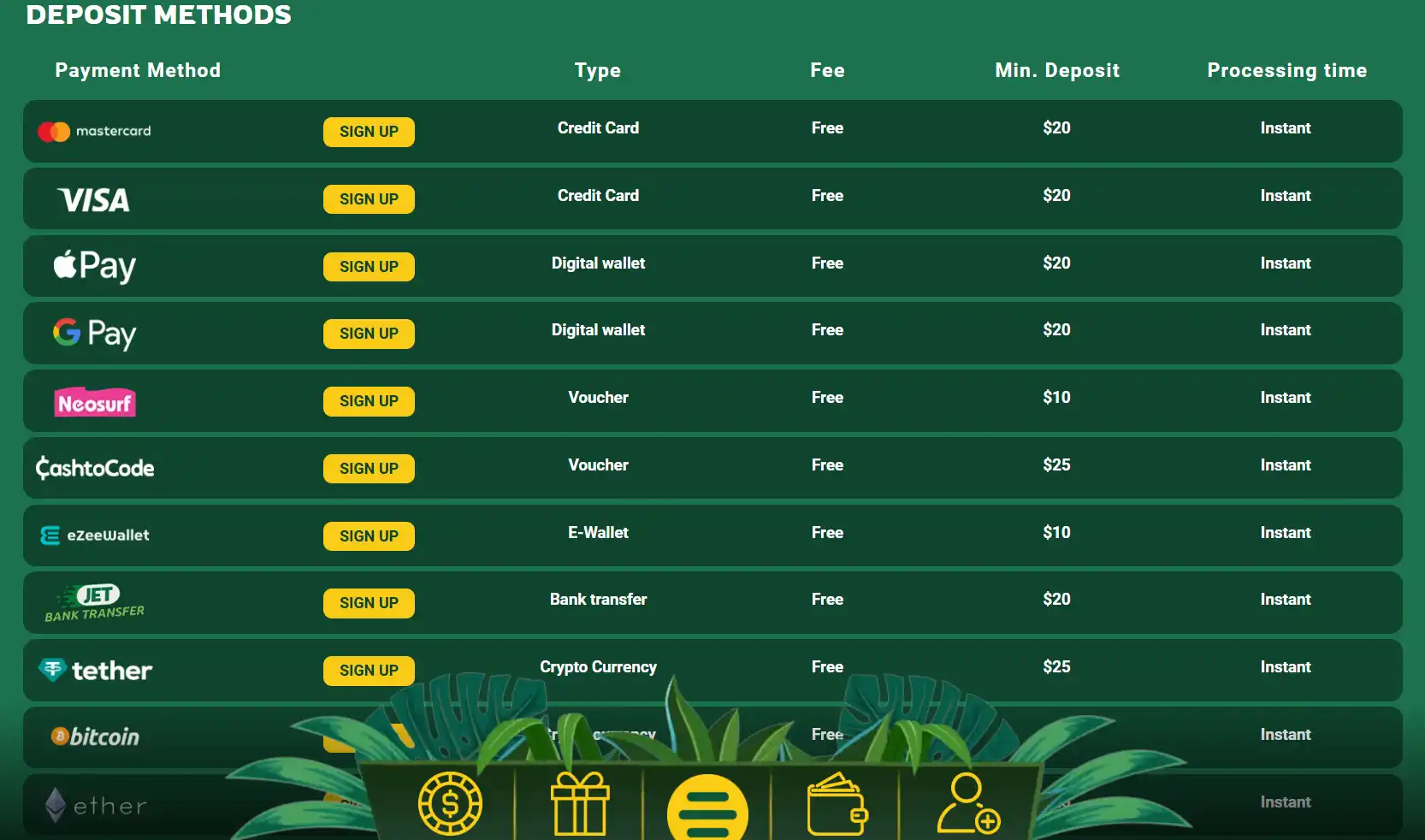
A specialist review reports that crypto withdrawals can clear faster than other methods, while network fees and conversion spreads may reduce the amount that reaches you. The speed claim is not a guarantee: the amount received can differ from the amount requested once charges and exchange-rate differences are applied. Before relying on a quoted payout, check whether it refers to the value before or after those costs, and how the service handles conversion. If those terms are unclear, you cannot reliably compare the advertised amount with what would arrive in your wallet.
A “Plinko script” is a different kind of claim. The phrase may refer to software code or a proposed game-building tool; it does not, by itself, show that there is a working casino game, that the code is legitimate, or that a playable product is available. Nor does a script label prove that a game’s results, payment handling or security have been independently checked. Be wary of pages that use the term as if it were proof of a ready-to-use gambling service.
Verify Game and Payments
Confirm the specific game title and provider
Check if the payout figure is before or after network fees
Verify the conversion spreads for cryptocurrency
Determine if the "script" is a working, verified product
For Australians, this distinction matters: describing a product as crypto-based or script-based does not change the rules applying to online casino services. Do not treat a digital-asset payment route as evidence that an offshore real-money casino is approved for use here. Gambling can cause serious harm, including for people who may not expect it, and it is for adults aged 18 or older. If you are assessing a claim, separate three things: the game, the payment process and any software being offered. Evidence for one does not verify the others.
Bonus Terms: The Wagering Figures That Change the Value
A bonus is not cash you can withdraw on receipt. It is a conditional credit, and any winnings linked to it may remain unavailable until the stated wagering requirement has been met. A “no-deposit” label does not remove that condition: the offer’s terms determine what you can do with the credit and when any resulting balance can be withdrawn.
The arithmetic matters more than the headline. One specialist review describes a $100 bonus with a 40x wagering requirement: the required turnover is $4,000 in bets before bonus-derived winnings can be withdrawn. That figure illustrates the effect of the stated terms; it should not be treated as a standard applying to every offer. Check whether the multiplier applies to the bonus, the deposit, or both, and which games count toward it.
Contribution rates can make the target harder to reach than the multiplier first suggests. In one specialist review’s example, blackjack contributes only 10% toward wagering. A $10 blackjack bet would therefore count as $1 of qualifying turnover under that stated rule. The contribution rate is not the same as the amount staked, and a game may contribute differently—or not qualify—under another offer’s terms.
Best RTP Slots in Australia: Understanding RTP
RTP describes expected returns over an extended run, while individual sessions can vary and each…
Before accepting any Plinko-related bonus, read the conditions for eligible games, contribution rates, expiry, and withdrawal restrictions. A large credit can have little practical value if the qualifying play is narrow or the turnover is substantial. Do not assume that a bonus attached to a particular Plinko title applies to every version of that game, or that a named offer is available to Australian players.
If the terms are unclear, treat the bonus as unavailable rather than counting it as money you own. The key comparison is between the amount credited and the actual conditions attached to releasing any winnings.
Checking Plinko Claims in Reviews and Search Results
A result about Plinko in the UK may describe a game, a casino, or simply a page aimed at British readers. Those are not interchangeable. Check what the review actually names: the game provider, the operator, and the service being assessed. A title such as “Lucky Plinko” may be branding rather than evidence that a particular casino offers a verified game.
Treat a Casino Guru assessment as one source to examine, not as a substitute for checking the details it discusses. Does it identify the product and explain how it reached its conclusions? Are claims about payments, rules or access tied to a specific operator, or presented as though they apply to Plinko everywhere? If the page does not make that distinction, its broad claims deserve caution.
Payment timing is a useful example. A specialist review reports that BPAY transfers may take a bank day, but that is not a guaranteed arrival time for every transaction. Read the wording closely: a stated possibility is not a promise, and a general payment description may not match the terms of a particular service.
Also check when the page was updated and whether its details remain consistent across the review and the linked terms. A prominent rating or confident headline tells you little about how carefully the underlying claims were checked. Give greater weight to specific explanations you can verify than to sweeping assurances. If a review leaves the operator, product or payment conditions unclear, do not fill those gaps with assumptions.
How can I tell which provider made a casino game?
Check the individual game's information for the named developer. A Plinko label or a casino category alone does not identify the provider.
What should I look for in a casino’s terms and conditions?
Check wagering requirements, which games contribute and at what rate, and any minimum withdrawal threshold. For example, a 40x requirement on a $100 bonus means $4,000 in bets, and blackjack may contribute only 10%.
Which provider has the biggest progressive jackpot?
Compare the jackpot contribution rate and minimum bet required to qualify; some jackpots require a minimum bet, such as A$1.00.

 Fair Go Casino Bonus Australia: Welcome Offer and Terms GuideFair Go Casino Bonuses and Welcome Offer for Australia The headline value is ...
 Is Fair Go Casino Legit? Trust, Reputation and Licence ChecksIs Fair Go Casino Legit? Trust, Reputation and Licence Checks A trust assessm...