In Australia, the legal distinction is between the business supplying an online casino service and the person who uses it. The Interactive Gambling Act 2001 prohibits a company from providing real-money online casino games to people located in Australia. That prohibition applies to operators, including those offering casino-style games such as pokies over the internet.
The law does not make it a criminal offence for an individual in Australia to access and gamble at an online casino. That difference matters: the restriction on supplying a service should not be confused with a criminal penalty for a player. It also does not mean that a foreign-licensed casino is authorised to offer real-money games to Australians. A licence issued overseas does not replace permission under Australian law, and offshore casinos are not regulated by an Australian authority.
This is the context for anyone considering real-money play, whether they describe it as online casino gambling or playing pokies for money. The legal position is about the service being supplied to people in Australia, not a promise that a site is lawful, safe or suitable for you to use. Nor is the absence of a player offence an endorsement of a particular casino. You still need to consider the risks of sharing personal details, depositing money and relying on an operator outside Australia’s regulatory system.
Список казино
Choosing an Australian casino site for slots in 2026 involves checking the details that matter to you, such as licensing, deposit minimums and payout methods. Use these concise operator notes as a starting point for your own checks.
1
JeetCity Casino
License
Curacao eGaming (Dama N.V.)
JeetCity Casino is listed with a Curacao eGaming licence held by Dama N.V. Check whether its terms suit you before playing.
2
LuckyVibe
License
Curacao Gaming Control Board OGL/2023/176/0095 (Hollycorn N.V.)
LuckyVibe is licensed by the Curacao Gaming Control Board under OGL/2023/176/0095, with Hollycorn N.V. named as the licence holder.
3
Kingmaker
Payout speed
crypto ~90 minutes, fiat 1-5 days
Min. deposit
A$30
Kingmaker lists a minimum deposit of A$30. Its stated payout times are around 90 minutes for crypto and 1–5 days for fiat.
4
Roby Casino
License
Curacao eGaming (Roby Games Ltd)
Roby Casino is listed with a Curacao eGaming licence held by Roby Games Ltd.
5
Playfina Casino
License
Curacao eGaming (Hollycorn N.V., since 2017)
Min. deposit
A$20-30 (depends on the offer)
Playfina Casino is listed with a Curacao eGaming licence held by Hollycorn N.V. since 2017. Its minimum deposit is A$20–30, depending on the offer.
6
Vegaz Casino
License
Curacao OGL/2024/1335/0780
Min. deposit
EUR 20
Vegaz Casino is listed with Curacao licence OGL/2024/1335/0780. Its stated minimum deposit is EUR 20.
7
JustCasino
License
Curacao Gaming Control Board
JustCasino is listed with a Curacao Gaming Control Board licence. Check the site's terms for details relevant to you.
8
House of Pokies
License
international iGaming licence – jurisdiction not named in the source
Payout speed
PayID 1-24 hours
Min. deposit
A$30 (PayID from A$10)
House of Pokies lists an international iGaming licence, but the jurisdiction is not named in the source. PayID withdrawals are stated as taking 1–24 hours; the minimum deposit is A$30, or A$10 with PayID.
9
Ricky Casino
Payout speed
crypto under 1 hour, PayID 1-3 business days
Min. deposit
A$20 (A$30 to qualify for the bonus)
Ricky Casino lists crypto payouts in under 1 hour and PayID payouts in 1–3 business days. The minimum deposit is A$20, rising to A$30 to qualify for the bonus.
10
Lucky Dreams
License
Curacao
Min. deposit
A$20 (POLi)
Lucky Dreams is listed with a Curacao licence. Its minimum deposit is A$20 when using POLi.
It is useful to keep three questions separate. First, is an individual player criminalised for accessing an online casino? The law does not criminalise the player for doing so. Second, may a company provide real-money casino games to people in Australia? The Act prohibits that supply. Third, does an overseas licence make an offshore service an Australian-regulated casino? It does not. Treating these as one question can create a misleading impression that a foreign licence makes real-money play in Australia officially approved.
Access and legality are not the same thing, either. A site appearing online, accepting account registrations or displaying a licence from another jurisdiction does not establish that it can legally provide casino games to people in Australia. Rules about operators apply regardless of how a service presents itself. If you are assessing a site, do not take its own claims about licensing as proof that Australian authorities oversee it.
A virtual private network should not be used to disguise your location. Masking where you are may breach a casino’s terms and can lead to account termination and forfeiture of winnings. It does not change the underlying legal position for an operator supplying prohibited services to people in Australia. If an account or payment is questioned, concealing your location can also make a dispute harder to resolve.
Golden Pokies Casino Australia: Brand and Terms
A practical guide to checking operator identity, account and payment terms, promotions, and what pokies…
Big Jackpot Pokies Online: What Casino Labels Mean
A practical guide to checking jackpot mechanics, odds, bonus conditions and casino terms without treating…
If you decide to engage with any real-money gambling, pause before depositing. Set deposit, loss and session-time limits before you start, and find the time-out and self-exclusion controls in the account first. Check whether those tools are available and how to use them; do not wait until you feel under pressure to look for them. These steps cannot make an offshore casino Australian-regulated, but they can help you establish boundaries before money is involved.
The careful reading is therefore neither that every player is committing a crime nor that online casino play is officially authorised. Australian law places the prohibition on companies supplying real-money casino games to people here, while it does not criminalise the individual player. That distinction can help you understand the legal frame, but it does not settle questions about an operator’s conduct, your account, or the practical risks of sending money and personal information to an offshore service.
How Online Slot Gambling Produces Each Result
A spin may look like a short sequence of moving images, but the result is determined by the game’s random number generator (RNG), not by the animation. When you press the spin control, the online pokie uses its RNG to produce an outcome. The reels or symbols then show that outcome on screen. Their movement is a visual presentation of the result, not a way to influence it.
The basic cycle is simple: you choose a stake, start a spin, and the game returns an outcome. Depending on the game’s rules, that outcome may produce a win or no return. Once the spin is complete, the next one is a new event. The game does not keep a record of earlier results in a way that makes a particular outcome due.
That independence matters when a run of spins feels unusual. Several losing results in a row do not make a win more likely on the next spin. A recent win does not make another win less likely, either. The RNG has no memory of previous spins, so each completed spin is decided separately. Past results may affect how you feel about continuing, but they do not tell you what the next result will be.
What the animation can and cannot tell you
The movement on screen can make a spin feel as though it unfolds in stages. In the underlying process, however, the result is produced by the RNG; the animation displays it. A reel that appears to slow down near a matching symbol is not evidence that the game is reconsidering the outcome as it moves. Nor can watching previous spins reveal a pattern that predicts the next one.
This distinction can help you avoid common misreadings. A sequence of similar outcomes may look meaningful, but it does not establish that the game has entered a winning phase. Likewise, a near miss can feel like a sign that a win is close, yet the visual impression does not alter the independent nature of the next spin.
The same principle applies whether you play on a phone or a computer. A change in screen size or the way the animation is displayed does not, by itself, make a result more or less likely. What matters for the spin is the game’s outcome process, not the device’s presentation of it.
New Online Casino Sites in Australia: What to Check
The guide separates launch claims from legal status and explains how terms, payments, mobile play…
Keep control separate from prediction
The RNG does not offer a reliable signal for timing a spin. Pausing, changing the pace of your presses, or waiting after a loss cannot make a particular result arrive. Treating a sequence as a pattern can encourage you to keep spending in pursuit of an outcome that is not becoming more likely.
If you are considering real-money online gambling, decide in advance what you can afford to lose and set deposit, loss and session-time limits before starting. Locate time-out and self-exclusion controls in the account before you need them. Check the total stake shown before using spin, autoplay or a Feature Buy option: each can commit money immediately, and paying for a feature can increase risk quickly. A limit is useful only if you keep to it; it does not change how the RNG works.
The process described here explains how a result is generated, not whether a particular service is legally available in Australia. Offshore casinos are not regulated by an Australian authority. Using a VPN to conceal your location can breach a casino’s terms and may lead to account termination and forfeiture of winnings. A payment method, device or account setting cannot change the independent nature of the game result or establish that an operator may lawfully offer the service to you.
When you look at a completed spin, you are seeing the game’s presentation of one independently generated outcome. The next spin is not a continuation of that result, a correction for a loss, or a reward for waiting. Keeping that distinction clear makes it easier to judge what the game is doing—and to avoid treating chance as a pattern you can read.
Do
Set deposit, loss, and session-time limits before starting
Locate self-exclusion controls in your account first
Check the total stake before using spin or autoplay
Don't
Try to time spins or predict patterns from the RNG
Use a VPN to disguise your location
Treat a near miss as a sign that a win is close
Reels, Paylines and the Different Types of Slot Machine
The layout of an online pokie tells you how symbols can form a winning combination. Reels are the vertical sections that display symbols after a spin. The symbols may line up along marked paths, connect in groups, or trigger a sequence in which spaces are refilled. These formats can look similar at a glance, but they do not use the same rules to decide which combinations count.
Before playing, open the game rules and check how a win is formed. The artwork and animation do not explain whether a particular arrangement qualifies, which symbols are involved or how the stake is calculated. A clear understanding of the layout can help you avoid treating a near-match as a win or overlooking the cost of an active feature.
Fixed paylines
Traditional pokies often use fixed paylines: set paths across the reels that determine which symbol arrangements qualify. A line may run straight across or follow a less direct pattern. The game’s rules show the available paths and how symbols must land on them.
With fixed paylines, the number of active lines may not be adjustable. That means the displayed stake can represent play across every line, rather than a single line. Check the total bet shown before spinning; a small per-line figure can be misleading if you do not notice how the full stake is assembled.
More paylines can create more winning combinations, but they usually increase the total stake per spin. More lines do not make a win certain, and they do not mean that every spin will return part of the stake. Look for the total amount committed on each spin, not just the line setting or coin value.
Online Casinos with Big Jackpot Slots: What to Check
Jackpot features vary by game, so rules and eligibility conditions matter more than the label…
Ways-to-win layouts
Some newer games replace fixed paths with ways-to-win systems. In these, matching symbols may count when they appear on neighbouring reels, without needing to follow a drawn line. The game’s rules define which symbols connect and which positions are included.
A layout may advertise many possible ways to form combinations, but that figure describes the game’s structure, not a promise of frequent returns. Check whether matching symbols need to appear on consecutive reels, and whether their positions matter. Those details determine what the displayed ways actually mean during play.
Cluster systems
Cluster games count groups of matching symbols that touch horizontally or vertically, rather than requiring them to land on a traditional payline. The size or shape a group must reach is set out in the rules. Some games also remove qualifying symbols and make space for others, allowing another combination to form in the same round.
Do not assume that a cluster wins simply because several identical symbols are visible. They may need to touch, meet a minimum group condition or appear within a specified area. The game’s paytable and instructions explain the conditions.
Cascading reels
In a cascading format, a qualifying combination can disappear and other symbols can fall into the open spaces. This can produce further combinations as part of the same play sequence. It changes how the round unfolds, but it does not remove the need to check the rules or the stake attached to the initial action.
Fixed paylines
Symbols must land on set paths across the reels to qualify as a win.
Ways-to-win
Matching symbols count when they appear on neighbouring reels without needing a drawn line.
Cluster systems
Groups of matching symbols that touch horizontally or vertically form winning combinations.
Cascading reels
Qualifying combinations disappear and other symbols fall into the open spaces for potential further wins.
Animations can make a cascade feel like a fresh opportunity each time symbols move. Keep track of the total stake committed to the round, and do not confuse a continued sequence with a new, separate spin.
Check the stake as well as the format
Before using spin, autoplay or a Feature Buy, check the total bet displayed. These controls can commit the stake immediately. A Feature Buy can cost significantly more than a normal spin and increase risk quickly; paying to trigger a bonus round may also use up funds faster if its cost exceeds any resulting payout.
Set deposit, session-time and loss limits before playing, and locate the account’s time-out and self-exclusion controls. Offshore casinos are not regulated by Australian authorities. Using a VPN to hide your location may breach a casino’s terms and could lead to account termination and forfeiture of winnings.
Australian Gambling Slots: Check the Operator Before You Play
A website that opens in Australia is not necessarily legally available to people here. The key distinction is between technical access and permission to provide the service: under the Interactive Gambling Act 2001, operators must not offer real-money online casino games to people located in Australia. Offshore casinos are not regulated by any Australian authority, so an overseas licence does not make a service locally approved.
Before you register, establish which company actually runs the site. Look for the operator’s legal name in the site’s terms, not just a brand or logo, and check that the same company is identified in account, payment and complaint information. If the operator is difficult to identify, or the site gives conflicting company details, you have little basis for judging who is responsible for your account.
BGaming Casinos in Australia: What to Check
The guide separates BGaming’s role as a game provider from the casino operator and explains…
The Australian Communications and Media Authority (ACMA) monitors prohibited online gambling services and can take enforcement action, including asking internet providers to block access. A specialist market review reported that ACMA had blocked more than 800 illegal gambling sites by 2025. That figure is a reminder that a site’s availability can change; it is not a list of approved services or a guarantee that an accessible site is lawful.
Treat claims such as “licensed,” “regulated” or “available to Australians” carefully. Check which authority issued any stated licence and what that licence covers. A foreign licence is not Australian authorisation, and offshore casinos do not receive oversight from Australian state or territory gambling authorities. If a site uses Australian references to imply local supervision, look for evidence in its actual terms rather than relying on promotional wording.
Do not use a VPN to disguise your location. Masking where you are can breach a casino’s terms and may lead to account termination and forfeiture of winnings. It also does not change the legal position of the operator. If a service is not available to you, changing the apparent location is not a reliable way to make it so.
Site access alone can also create a false sense of security. A blocked page, a working mirror address or a link shared elsewhere does not establish that the operator is legitimate or that the service is lawful. Avoid following replacement links simply because an earlier address stopped loading. The identity of the company, its stated permissions and the conditions attached to your account matter more than whether a page happens to open.
Verify Operator Legitimacy
Identify the operator's legal name in the terms
Check if the company details are consistent across the site
Verify which authority issued the stated licence
Confirm the operator's identity before registering
If you are considering any gambling activity, set deposit, loss and session-time limits before starting, and find the time-out and self-exclusion controls in the account. Check that these tools are available and understand how to activate them before money is deposited. Do not assume that a site’s promises about support or protection amount to Australian oversight.
These checks cannot turn an offshore casino into an Australian-regulated service. They can help you recognise what a site is claiming, who stands behind it and where the limits of those claims lie. If the operator’s identity or legal position remains unclear, stepping away is safer than treating access as approval.
Online Pokies in Australia: What the Digital Game Offers
An online pokie is a digital version of a slot-style game. It presents symbols and reels on a screen, with a result produced for each completed spin. The format makes the game accessible through a website or app, but the essential experience remains a sequence of individual plays: choose a stake, start a spin and see what appears.
The result is generated by a random number generator (RNG). That means a previous outcome does not tell you what the next one will be, and a run of wins or losses is not a reliable guide to what comes next. A game’s visuals may suggest a story or create a sense of momentum, but they do not make the outcome predictable. Treat each spin as a separate event rather than trying to read a pattern into the screen.
Ka Gaming Online Casinos in Australia: Bonus Rules
Eligible slots may count fully toward wagering, but exclusions and maximum-bet conditions can still limit…
The digital format can make it easy to move from one spin to another without pausing. Before you start, decide what you can afford to spend and set deposit, loss and session-time limits. Find the time-out and self-exclusion controls in your account before you need them. These steps give you a way to stop when your chosen boundary is reached, rather than relying on how you feel in the moment.
Pay attention to the full stake shown before you spin, especially if you use autoplay or a Feature Buy. Those options commit the stake immediately; a Feature Buy can cost substantially more than a standard spin and raise your risk quickly. Check the game rules and feature descriptions before playing, rather than choosing on theme or animation alone.
The experience can feel continuous, but a screen cannot show whether a future spin will pay. Nor does a near miss mean a win is due. If you notice that you are increasing stakes to recover losses, pause and use the limits or time-out tools you set up. A game’s pace can make it harder to notice how quickly spending is adding up, so check your balance and time spent at deliberate intervals.
For Australian players, the distinction between the game and the service offering it matters. Offshore casinos are not regulated by any Australian authority. Confirm who operates a service and whether it is legally available to you before signing up. Do not use a VPN to disguise your location: doing so violates casino terms and may lead to account termination and forfeiture of winnings.
Online pokies can be played for real money, but the digital format does not remove the chance of losing the stake. Keep play within a limit you can afford, and stop when that limit is reached. If you feel unable to stop, use self-exclusion rather than continuing to play.
RTP, Volatility and Features to Check Before Choosing a Game
A game’s published information can tell you something about its design, but it cannot tell you what will happen during your session. Two terms worth understanding are Return to Player (RTP) and volatility. They describe different aspects of a game, so neither should be treated as a forecast of what you will win.
RTP is a theoretical average across a very large number of rounds. It is not a target for your own play, and it does not mean that a particular session will return the stated share of your stakes. For instance, a game with a 96% RTP has a 4% house edge in theoretical terms. That calculation describes the long-run relationship between stakes and returns, not a guaranteed loss or return for an individual player.
The published RTP may account for free spins and other bonus features within the game. Read the game information to see what is included and how its features work; a feature’s presence does not mean it will appear during your session or improve your result. When comparing gambling slot games, use RTP as one piece of information, not as a promise or a ranking of likely short-term outcomes.
Volatility is about the pattern of payouts. A lower-volatility title is designed to deliver smaller outcomes more frequently. A higher-volatility title may produce outcomes less often, with the possibility of larger values. This does not make one type safer or better for you: a quieter pattern can still use up your balance, while a higher-volatility game can involve longer stretches without a payout. Consider whether that pattern fits the amount you have set aside and the time you intend to play.
Microgaming Casinos in Australia: Rules and Checks
A practical guide to Australian rules, game features, wagering terms, payment checks and what casino…
Read the rules and feature descriptions before starting, rather than choosing by artwork or theme alone. Check how a feature is triggered, what stake it uses, and whether it changes the way a round plays. If a Feature Buy option is available, check its total cost before selecting it. It can commit a substantially larger stake than a normal spin, increasing risk quickly; paying to trigger a bonus round can also make your balance fall faster if the cost outweighs any payout. Check the total bet before using spin, autoplay or a feature option, since the stake is committed when you activate it.
Before playing, set deposit, loss and session-time limits, and locate the account’s time-out and self-exclusion controls. Offshore casinos are not regulated by Australian authorities. Using a VPN to disguise your location violates casino terms and may lead to account closure and forfeiture of winnings. These checks do not change how a game works, but they can help you make a more informed decision about whether to play and when to stop.
How to Assess an Online Casino Without a Ranked List
A polished casino gambling website is not proof that its service is lawful or suitable for you. Start by identifying the company behind it: check the operator’s legal name, where it is based and which entity would handle your account. Offshore casinos are not regulated by any Australian authority, and the Interactive Gambling Act 2001 prohibits operators from offering real-money interactive gambling services to people in Australia. The law does not criminalise an individual for playing, but that does not make an offshore service locally regulated or legally available.
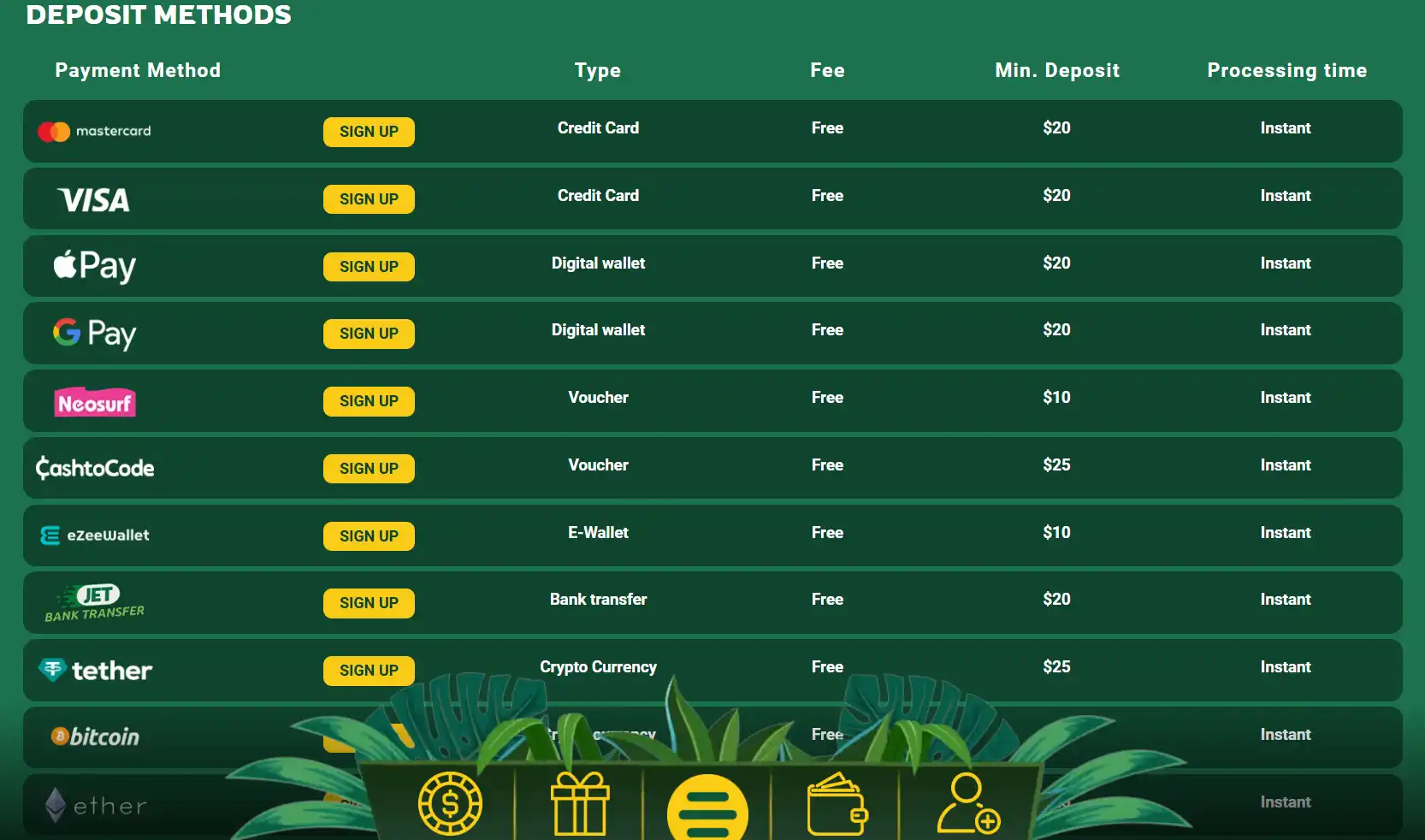
Before creating an account, look for clear information about deposits and withdrawals, identity checks and the documents the operator may request. Read the conditions for accessing your funds, too. A withdrawal can be delayed by restrictive terms or technical requirements even when there is no fraud, so do not assume that a successful deposit means you can withdraw without difficulty.
Check the account controls before putting money in. A specialist review recommends treating deposit limits, loss limits and session-time controls as essential, alongside reality checks and self-exclusion that takes effect immediately. Set limits before play, find the time-out and self-exclusion options in your account, and make sure you understand how to activate them. If a site makes these tools hard to locate or does not explain what happens when you use them, take that seriously.
Your checklist should also include the operator’s terms for account closure and verification, and a clear explanation of how to contact support if a payment or account issue arises. Do not rely on a logo, a familiar game or favourable claims on a landing page as evidence that the business is accountable.
A VPN is not a workaround to rely on: masking your location violates casino terms and may lead to account termination and forfeiture of winnings. If you are comparing online casino gambling websites, judge them by verifiable information and practical safeguards, not by claims that one is the best online gambling casino. No checklist can remove the financial risk, but checking these points first can help you avoid preventable account and payment problems.
Relax Gaming Slots at Australian Online Casinos
Game eligibility and contribution rates can vary by title and promotion, so the provider label…
Bitcoin and Litecoin Casino Payments: Check the Legal Context
Seeing Bitcoin or Litecoin listed as a payment option does not tell you whether an online casino is legally available to you in Australia. A payment method is only one feature of a service; it does not change who operates it or the rules that apply to the operator.
Under the Interactive Gambling Act 2001, a company must not provide real-money interactive casino games to people in Australia. The law does not make it illegal for an individual in Australia to play at a foreign-licensed online casino. That distinction matters: a foreign licence does not make an offshore casino regulated by an Australian authority, and it does not establish that the operator may lawfully offer casino games to people here.
Before creating an account, identify the company behind the service and check whether its casino offering is legally available to you in Australia. Read the operator’s own terms for its payment and verification requirements, and make sure you understand what happens if account checks are requested. Do not infer safety, approval or legal status from a coin logo, a payment page, or a claim that a site accepts Australian customers.
If a site suggests using a VPN to hide your location, do not treat that as a workaround. Masking your location violates casino terms and may lead to account termination and forfeiture of winnings. The payment method does not protect you from that outcome or resolve the legal position.
Searches for Bitcoin or Litecoin casino payments can make the transaction method seem like the main decision. Keep the order clear instead: first consider the operator and the legal context, then read the terms that apply to any payment you might make. Do not assume that a familiar coin, or a site describing itself as a top online gambling casino, means the service is authorised in Australia. A label is not a substitute for checking who is providing the gambling service and whether it can lawfully be offered to people located here.
Casino Bonuses: Read the Wagering and Withdrawal Terms First
A bonus can look generous while being difficult to turn into withdrawable funds. Before accepting an online casino bonus, read the full terms and work out what you must do to meet the wagering requirement. A lower multiple and a longer completion period can make the conditions more manageable: one published benchmark for strong Australian-facing offers is a requirement of 35 times or less, with at least 30 days to complete it. Treat that as a comparison point, not a promise that a bonus will suit you.
Check how each game contributes to wagering. A specialist review reports that slots may count in full, while table games may contribute only 10–20%. If a game contributes less, more eligible play may be needed to satisfy the requirement. The operator’s own terms should state which games count and at what rate; exclusions can make a seemingly broad offer much narrower.
Read the maximum-bet rule, expiry date and cashout cap before claiming. These conditions can reduce a bonus’s practical value, and delayed withdrawals can arise from restrictive terms or technicalities even when there is no fraud. For a no-deposit offer, check whether winnings remain subject to wagering, game restrictions or withdrawal conditions; the label alone does not tell you what you can take out.
GameBeat Online Casinos in Australia: Terms to Check
Game eligibility, wagering contributions, offshore licensing and verification can shape bonus use and withdrawals at…
Save or screenshot the terms when you claim, since they may change before you withdraw. Keep a copy of the exact conditions attached to your offer, including any rules that apply to bonus funds and winnings.
Offshore casinos are not regulated by Australian authorities. Confirm who operates the service and whether it is legally available in Australia before signing up. Do not use a VPN to disguise your location: doing so may breach casino terms, lead to account termination and put winnings at risk. Set deposit, loss and session-time limits before playing, and locate time-out and immediate self-exclusion tools in your account.
Free Spins: Deadlines, Wagering and Small Withdrawals
A no-deposit free-spin offer can look like a way to try online pokies without adding funds, but the spins may come with conditions that affect whether any winnings can be withdrawn. Offshore casinos offering these promotions are not licensed or overseen by Australian state or territory authorities. A free offer does not change that status.
Australian Online Casinos: Bonus Wagering Explained
Game eligibility and contribution rates can change how casino play counts towards a bonus wagering…
Read the full terms before accepting. They may set a deadline for using the spins, require wagering on winnings, exclude certain games or restrict withdrawals. A specialist review reports that no-deposit offers it examined required wagering of 35 to 50 times the winnings, with some reaching 60 times. Treat those figures as reported examples, not a rule that applies to every offer.
Deadlines can be separate: a specialist review reports spin-use periods of 7 to 30 days after crediting, with wagering periods of 24 to 72 hours. Check the specific offer’s expiry dates rather than assuming one deadline covers everything. The same review reports minimum withdrawals of $20 to $50 at many operators; a small win may therefore fall below the threshold.
Before claiming, confirm the wagering calculation, eligible games, expiry, maximum bet and cashout terms. Save or screenshot the terms at the time you accept them, since they may change before withdrawal. If you use a VPN to mask your location, that violates casino terms and may lead to account termination and forfeiture of winnings.
What should you use to compare pokies?
Compare their RTP and volatility: RTP is a theoretical long-term return, while volatility indicates how often and how large payouts tend to be. Also check the paylines or ways-to-win and the total stake per spin.
What’s the difference between RTP and house edge?
RTP is the theoretical share of wagers a game returns over a very large number of rounds; the house edge is the share it retains. For example, a game with 96% RTP has a 4% house edge.
Do these offers have a time limit?
Yes. Free spins typically need to be used within 7–30 days, and their wagering requirements may have a separate 24–72-hour deadline. For bonuses, look for the wagering deadline; the best offers have at least 30 days to complete it.
How does a progressive jackpot grow?
A small percentage of eligible wagers is added to the jackpot from across its player pool. It grows until someone lands a qualifying win.

 Fair Go Casino Bonus Australia: Welcome Offer and Terms GuideFair Go Casino Bonuses and Welcome Offer for Australia The headline value is ...
 Is Fair Go Casino Legit? Trust, Reputation and Licence ChecksIs Fair Go Casino Legit? Trust, Reputation and Licence Checks A trust assessm...